
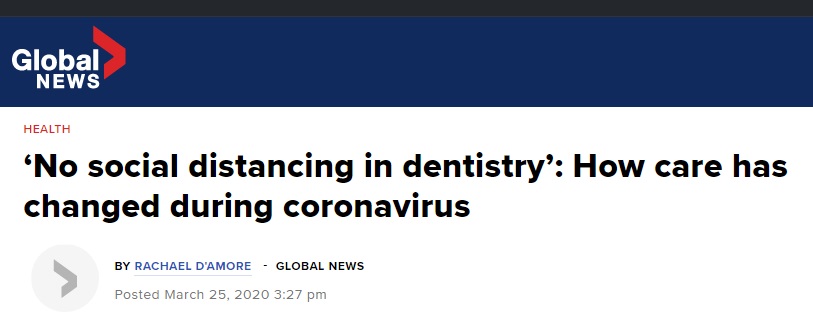
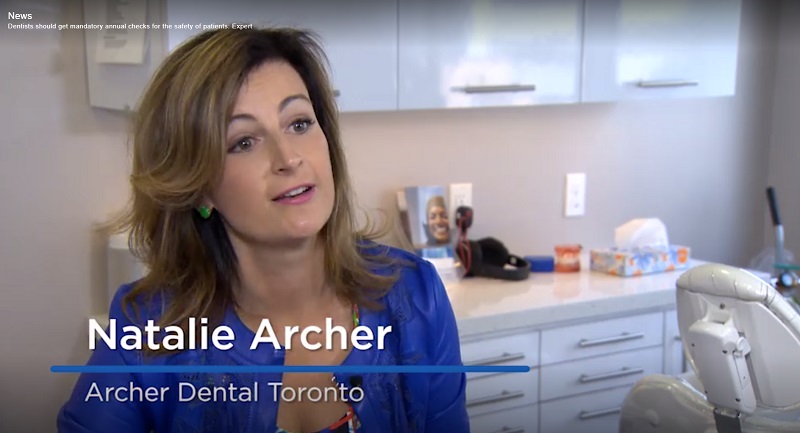
On Wednesday, March 25th Rachael D’Amore telephoned Dr Natalie Archer DDS to ask about dentistry in the Age of Coronovirus. Like so many other Canadians, dentists have also had to adjust to a new business reality amid the pandemic that has now closed most dental clinics in Ontario. Yet we search for ways to be productive and helpful.
What exactly does ‘Emergency Care Only’ mean for dentists and patients?
Provinces and local governments have imposed increasingly tight controls to try and curtail the spread of COVID-19 and they ultimately encourage as many people as possible to stay home. Quebec and Ontario, for example, have ordered all non-essential businesses to close, but the rule vary and are slightly different in each jurisdiction.
Those deemed essential are somewhat obvious; health-care workers, first responders, suppliers of critical goods like food and medicine, and utility workers are encouraged to go to work and help save lives and keep society functioning. So where does that leave dentists?
Ontario, Quebec and British Columbia have ordered a pause on “non-essential” dental services like teeth cleaning, teeth whitening obviously and other cosmetic procedures. Only emergency care, like facial trauma or pain that can’t be managed with antibiotics or over-the-counter medications, can be performed. Dentists in other provinces, like Manitoba, have taken it upon themselves to put similar measures in place for their residents. But even then, there are risks.
“We have to set a high bar for emergencies in dentistry because it’s such high risk. We’re one of the most at risk in this,” said Dr Natalie Archer. “We’re still learning about the virus, but we definitely know it’s spread through things like mucus and saliva. These are things that dentists are intimately connected with… There’s no social distancing when it comes to treating patients in dentistry.”
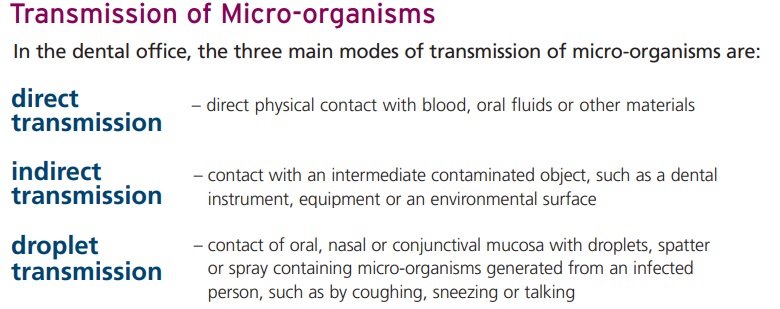
The respiratory virus is spread mainly from person-to-person, either by close contact or “respiratory droplets.” So when an infected person coughs or sneezes, if the resulting droplets end up in the mouths or noses of people nearby, either by inhalation or contact, those people can become infected.
In health care, increased risk comes with increased protocols. In Ontario for example the Royal College of Dental Surgeons (RCDSO) has clamped down on what constitutes an emergency dental situation and has issued directives on screening procedures as well as which tools to use when. They stipulate that only emergency care, like facial trauma or pain that can’t be managed with antibiotics or over-the-counter medications, can be performed.
What is an essential service?
Rachael D’Amore’s reporting also shared some interesting data. Between 2017 and 2018 there were over 93,000 dental visits at the University of Toronto’s Faculty of Dentistry, which allow students to treat patients. Of those, 4,000 were considered emergency dental visits. So based on that ratio you can see there’s a demand that will not be abated by stay-at-home social directives. Some dentistry is essential.
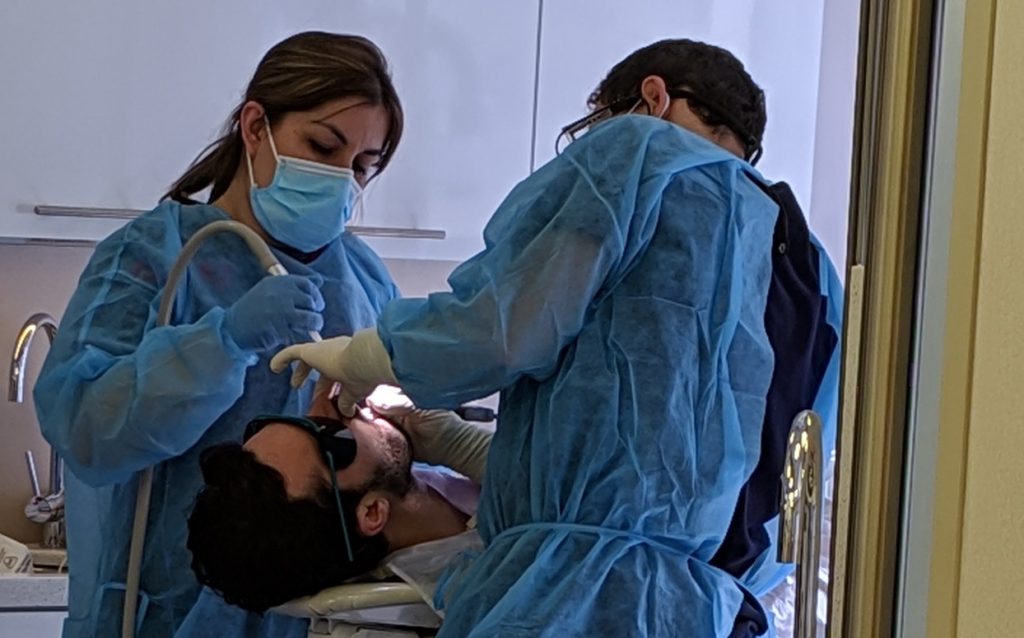
Readers should know that infection control in dentistry is already at a high professional standard. Sterilizers are tested every day, there are chemical indicators that show that everything’s been sterilized properly, there’s tracking of every instrument, everyone’s wearing the proper PPE (personal protective equipment),” he said. Infection control protocol standards for dentistry are incredibly high. But that efficiency doesn’t negate the fact that dentists need to be in close contact with patients to do the job.
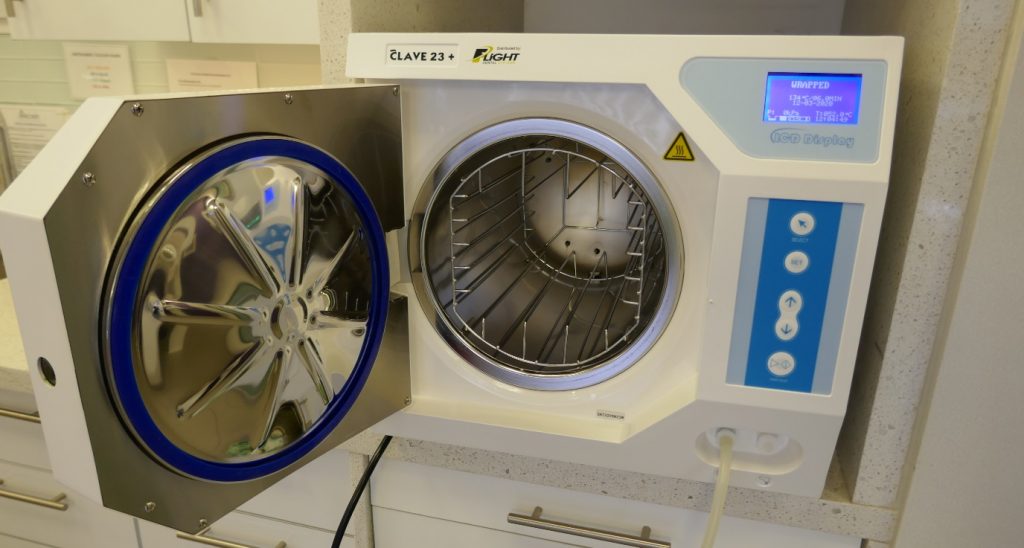
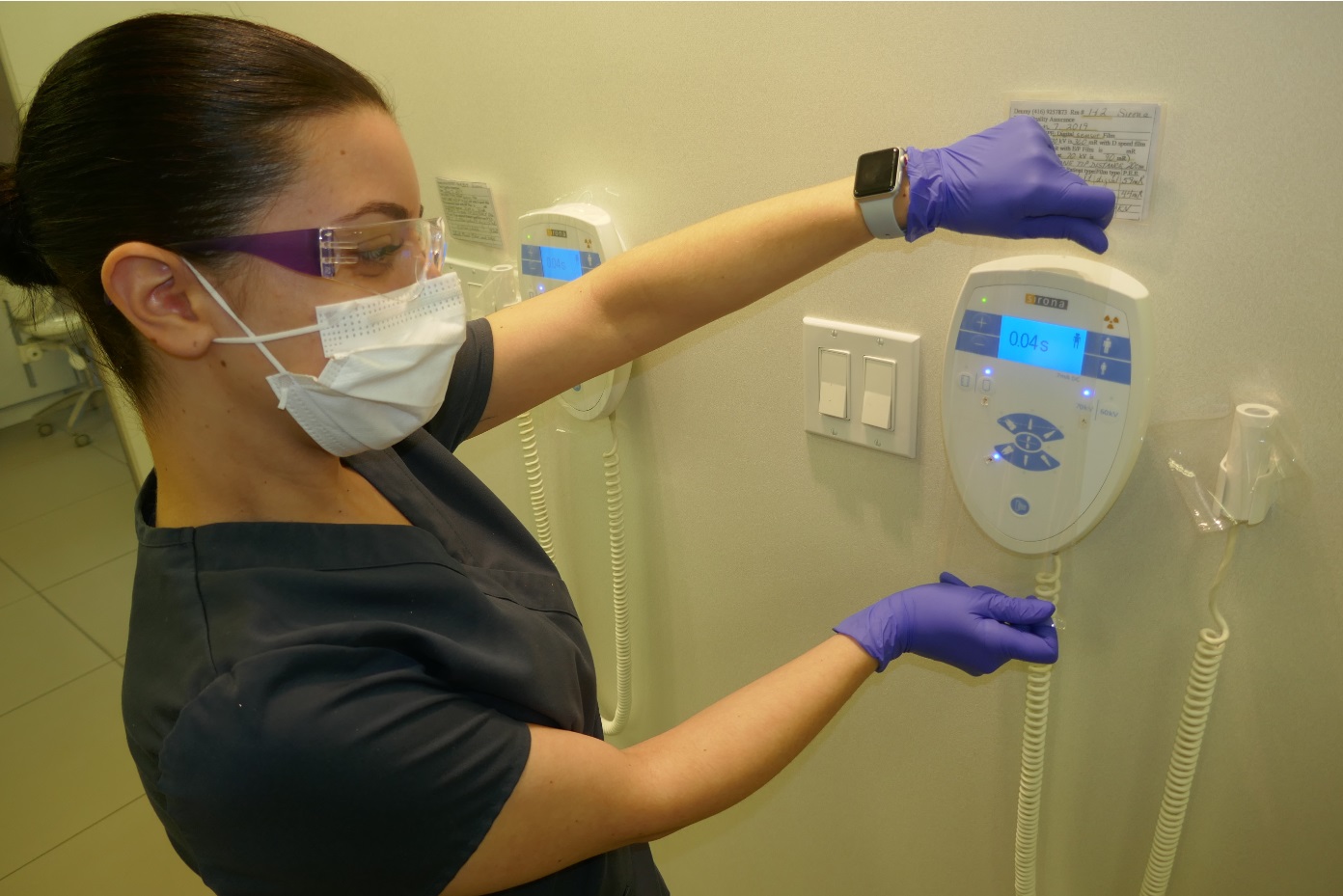
Sterilization of equipment happens routinely in autoclave at Archer Dental Rosedale
“The primary thing is to keep people safe and healthy but you also really have to keep them out of hospitals unless they absolutely need to be there — the system’s already facing a burden.”
Archer Dental Emergency Dental Service in Toronto
Archer Dental patients can set up phone-call screening and counseling or FaceTime a dentist for certain inquiries. We offer emergency dental services such as it abides with RCDSO’s new required safety practices, but we can also provide some level of comfort to patients locked away at home who need advice, said Archer. Patients are encouraged to call their office and their calls will be received and scheduled accordingly.
“I think it makes patients realize what is a real emergency right now,” Dr Archer said. “As a dentist, we have to assume that everybody we come into contact with has COVID-19. So that’s the level of care we take when we decide what’s an emergency.”
The article ends with Dr Archer’s quote; “There’s a very good chance that you’re not going to get into a dental office for a check-up for quite some time, so this is the best opportunity to take care of ourselves from a preventative side,” Natalie said. “People always tell me they don’t have time to floss. Guess what? You’ve got time. You’ve got more time than you know what to do with. Now’s the time to floss.”
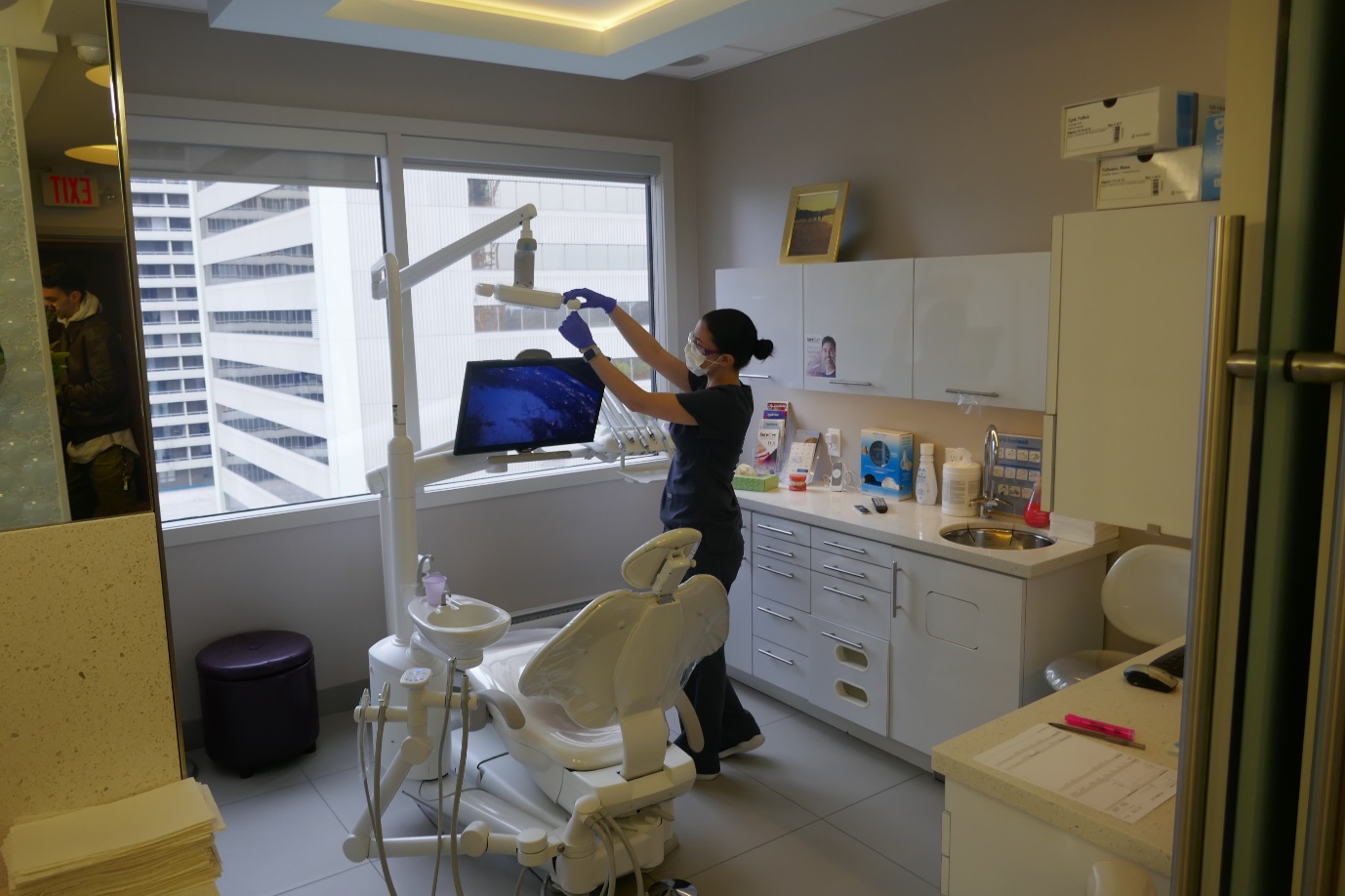
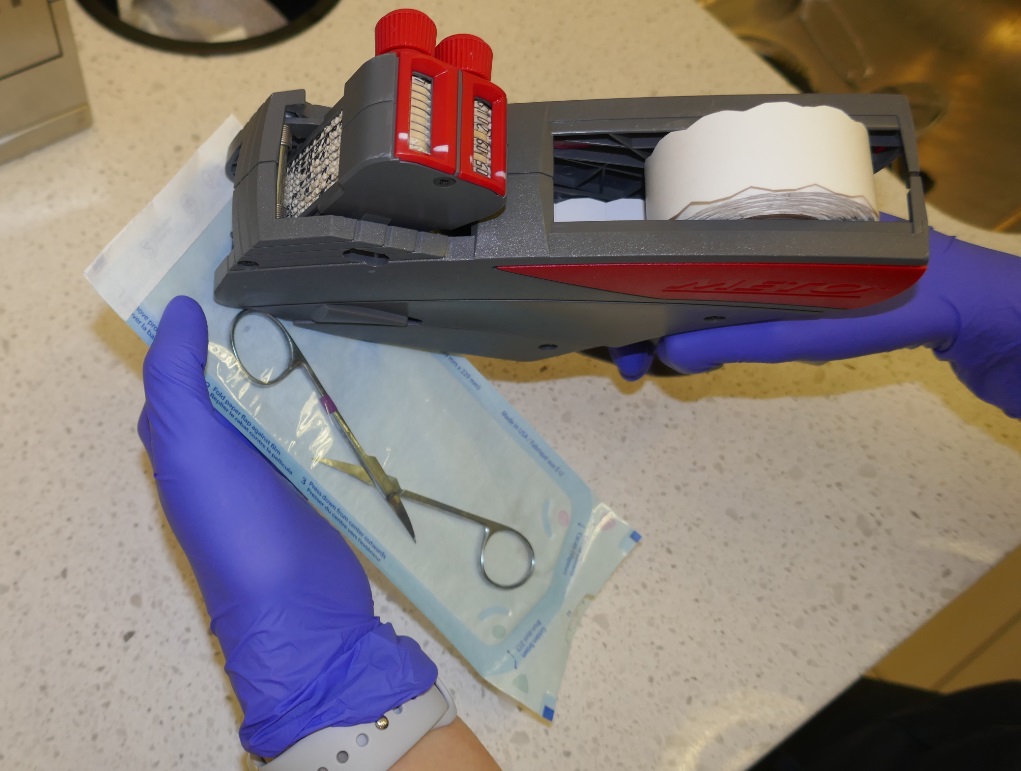

 Archer Dental has a good reputation for being innovative, and that includes our work improving dental office administration. We’re known around Toronto for being the first to test new equipment and try new products, integrating what works long before it becomes common in the marketplace. We had GLO Teeth Whitening before it was even a thing, and Myobrace too. Such is the case with our new chat bot,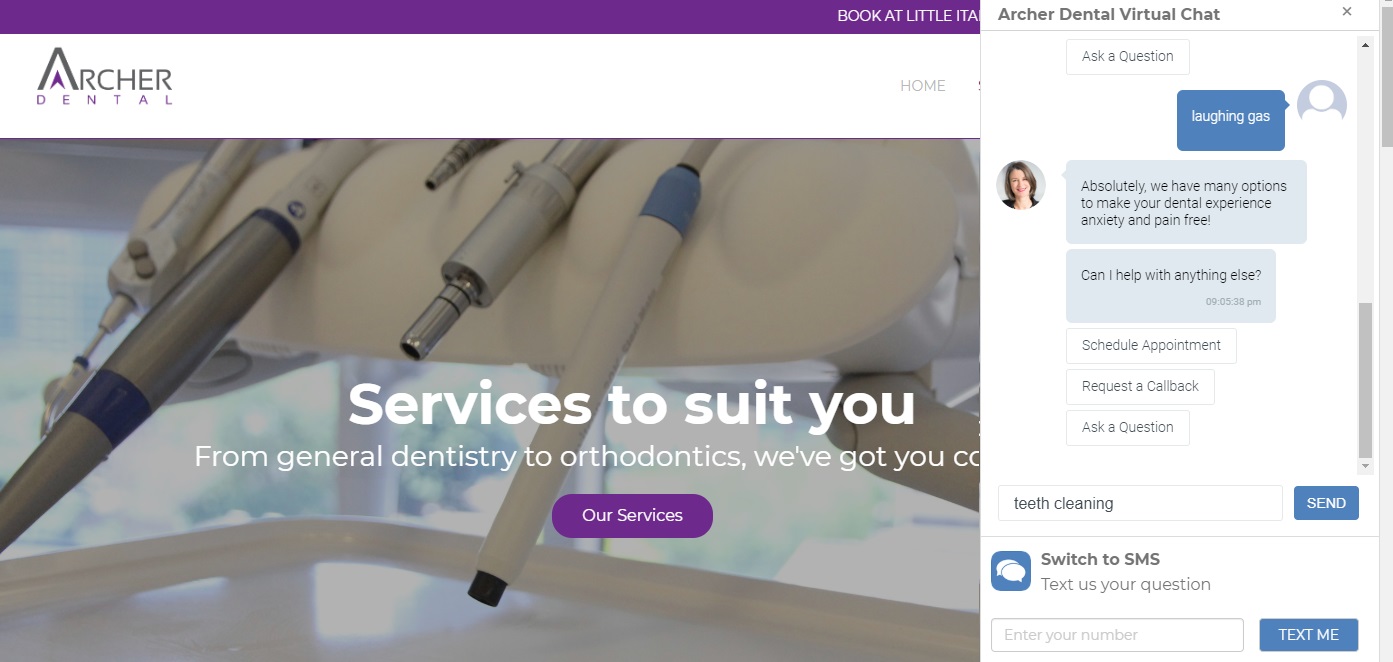
 In general, there are three reasons why businesses choose chat bots. First, there is the hope to reduce customer-service costs by replacing human agents with conversation bots that dispense answers to frequently asked questions (and dentistry has a lot of FAQs). Second, the success of conversational-based systems like WeChat have advanced the notion of chat bots as an interaction channel to supplement existing mobile web and mobile apps. Lastly, the popularity of voice-based intelligent assistants such as Siri, Alexa and Google Home have pushed many businesses to try and copy this service on a smaller scale. We tried it because we liked the idea of having someone on the site available to answer questions and take bookings during the off-hours.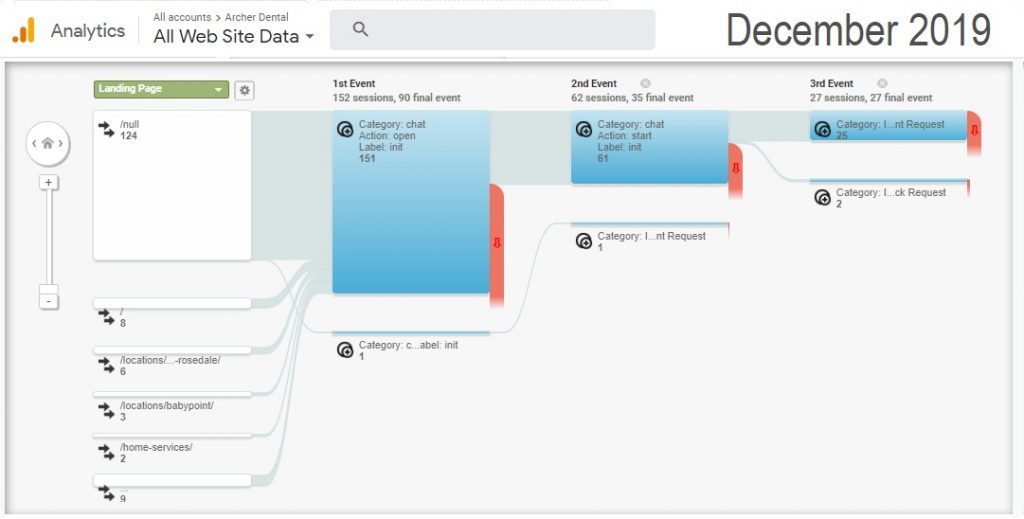
 Our patients find the program very easy to use, and many younger customers prefer using chat bots over calling representatives on the phone because it tends to be faster and is less invasive. Dental Attendant offers users the ability to switch to messenger apps as there are already billions of phones around the world using these and many of our patients are already subscribed.





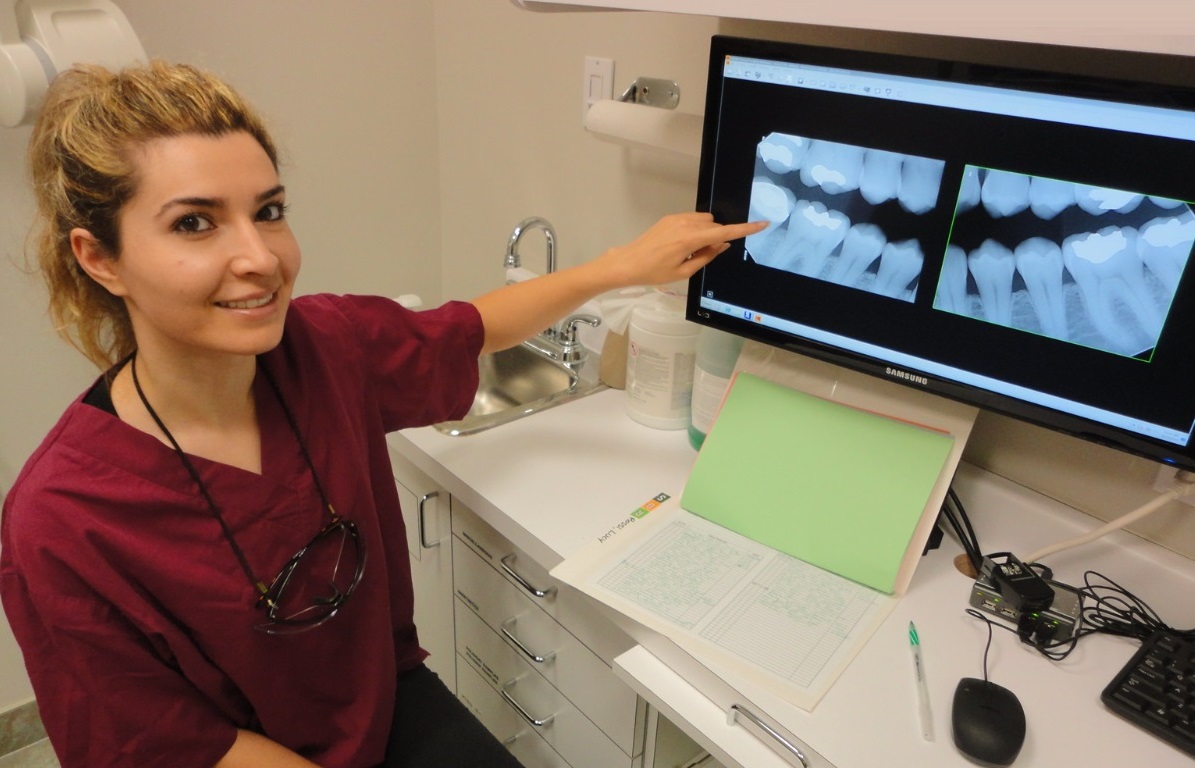
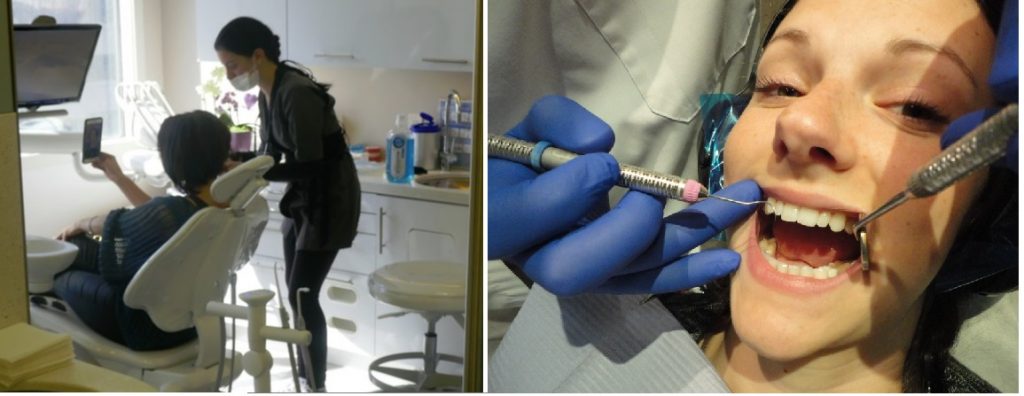
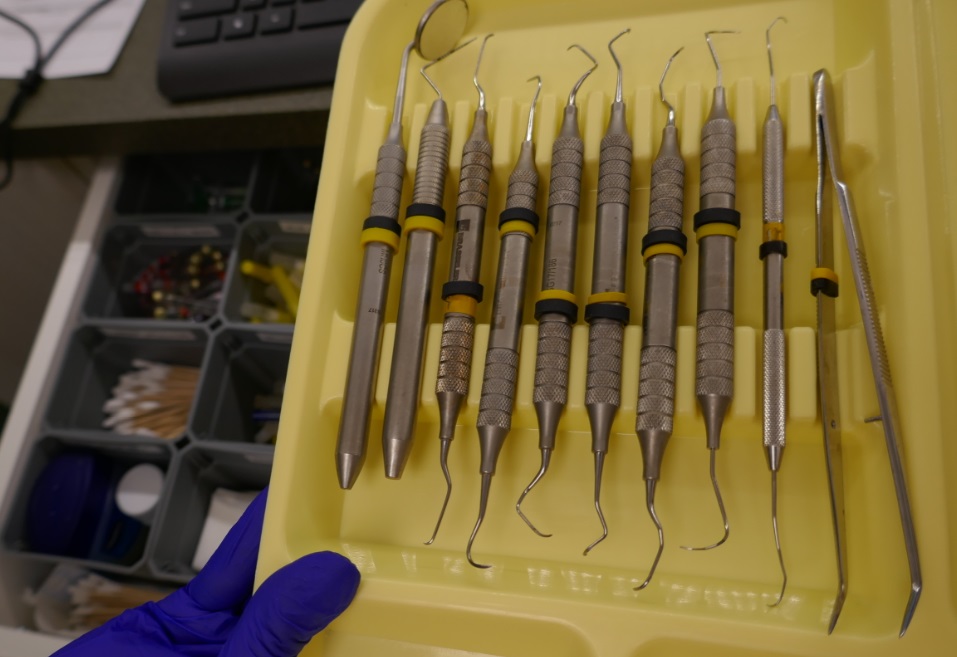
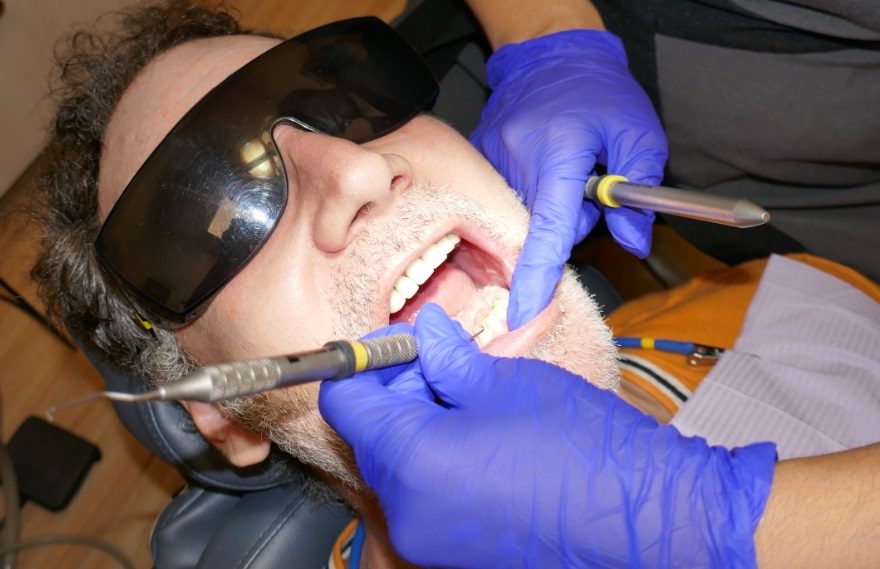 Cancer Screening: At Archer Dental our well trained hygiene therapists are a primary resource for oral cancer screening and prevention.
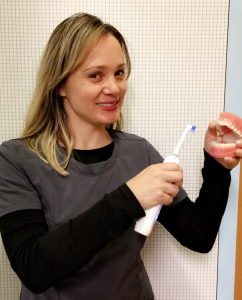
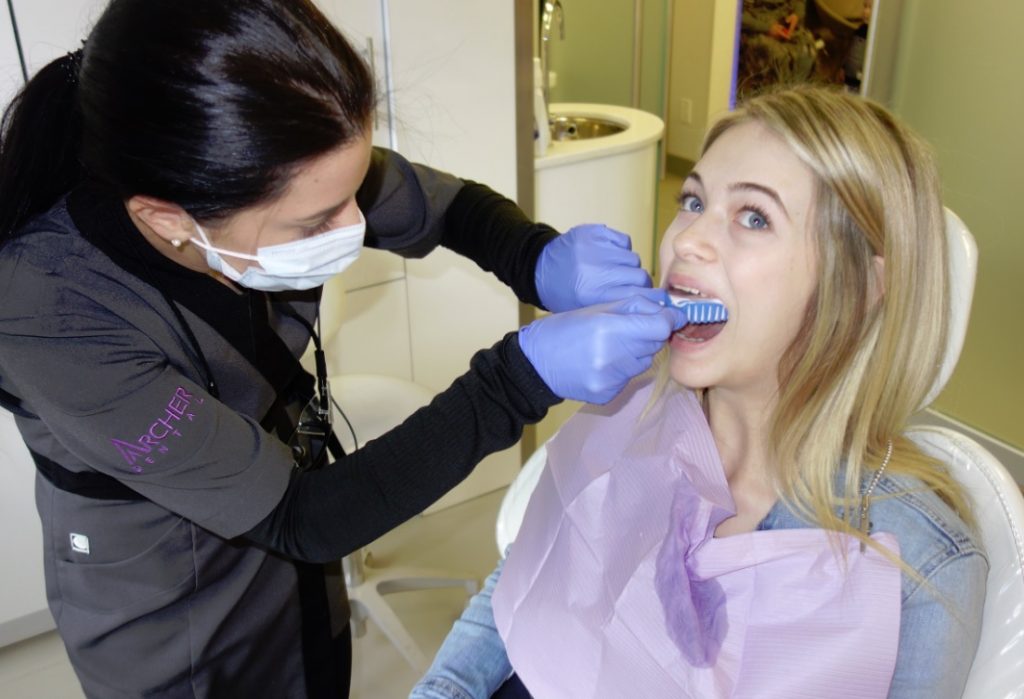 Oral health care professionals who aspire to become expert hygiene therapists must first become professional dental assistants who are registered, certified and licensed. Prior to completing clinical and written board examinations, registered dental hygienists must have either an Associate’s or Bachelor’s degree in Dental Hygiene from an accredited college or university. Here in Canada there are plenty of education options. There are private college programs at The Canadian Academy of Dental Health and Community Sciences, and in Quebec at Collège Boréal, and also at the Southern Ontario Dental College which offers accredited training. There are public college diploma courses for dental hygiene including diploma programs offered at Algonquin College and Fanshawe College. University level training, a bachelor of dental hygiene, is offered at Dalhousie University and the University of British Columbia. The bachelor degrees allow graduates to teach dental hygiene.










 Andria Frej