

Missing one or more teeth can make it harder to chew, speak, and feel confident about your smile, especially in photos or social situations. Dental implants are artificial tooth roots that are placed in your jawbone to securely support a replacement tooth, bridge, or denture so it looks, feels, and functions like a natural tooth. Our staff at Archer Dental Baby Point, and in the downtown core at Archer Dental Rosedale and at Archer Dental Little Italy all provide implant treatment as part of a comprehensive restorative dentistry plan tailored to your mouth, your timeline, and your budget.
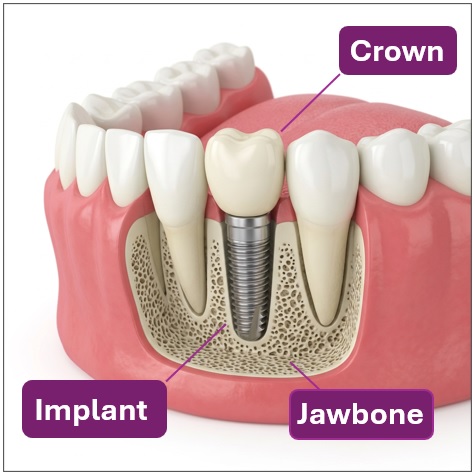
What Are Dental Implants?
Dental implants are small posts, usually made of titanium or zirconia, that are set into the jawbone in the space(a) where a tooth or teeth are missing. Over time the bone fuses to the metal surface of the implant in a process called osseointegration, creating a stable foundation for a replacement tooth or teeth.
Dental implant surgery is restorative dentistry which uses implant‑based prosthodontics to rebuild a natural bite, and restore a full toothy smile. Because implants replace the missing root as well as the visible crown, they help preserve bone volume and provide a more natural chewing experience than removable options such as dentures and partial dentures.
Parts of a Dental Implant
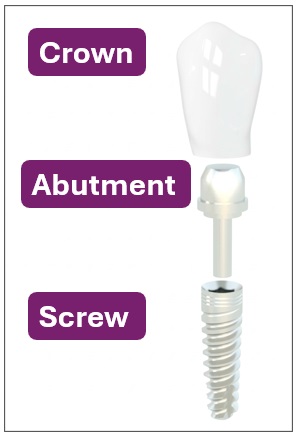
Dental implants consist of three primary components: a titanium implant fixture (the “root” placed in the jaw), an abutment (the connector), and the restoration (the visible crown, bridge, or denture). These parts work together to provide a stable, functional, and natural-looking replacement for missing teeth.
Implant fixture – The titanium or zirconia post placed into the jawbone that acts as an artificial tooth root.
Abutment – The connector piece that attaches to the implant fixture and supports the visible restoration.
Restoration – The custom-made crown, bridge, or denture that replaces the missing tooth or teeth and appears above the gum line.
Depending on your situation, a single implant can support one crown, several implants can support a fixed bridge, or multiple implants can support a full-arch denture. Your Archer Dental dentist will recommend the configuration that best restores your bite and smile.
Dental Implant Treatment at Archer Dental
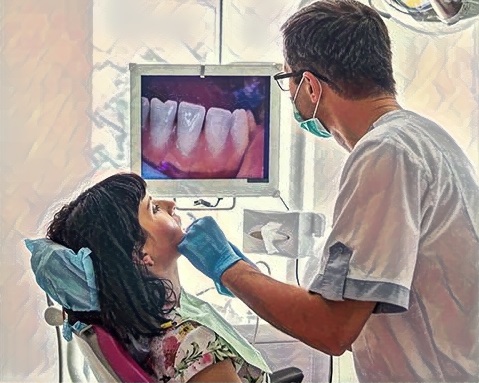
Led by Dr. Natalie Archer, dental implant treatment is a step-by-step process that combines X-ray analysis and careful planning, precise surgery, and a high-quality restoration. It’s a journey, and we strive to make it as comfortable, effective and as affordable as possible.
While every patient’s case is unique, most patients follow a similar path from their initial consultation to final tooth placement. Below, we have laid out the five basic steps that comprise the bulk of this experience:
Step 1: Consultation and Planning
Your implant journey starts with a comprehensive exam at one of our Toronto clinics. We review your medical and dental history, take digital X-rays and other imaging, and discuss your goals for function and appearance. At this visit we confirm whether implants are appropriate for you and outline a personalized treatment plan, including approximate timelines and fees based on the current ODA Fee Guide.
Step 2: Implant Placement
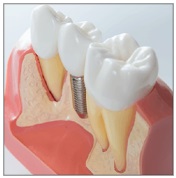
If you decide to proceed, the next key step is placing the implant fixture into the jawbone. Under local anesthesia, your dentist carefully prepares the site and places the implant in the planned position, then covers it to protect the area while it heals.
Most patients report that getting an implant feels similar to having a tooth removed, and many are surprised by how manageable the appointment is.
Step 3: Healing and Osseointegration

After placement, your body needs time to heal and to allow the bone to fuse with the implant surface. This osseointegration phase typically takes several weeks to a few months, depending on your health, bone quality, and whether additional procedures such as bone grafting were required.
During this time we may schedule checkups and follow-up X-rays to confirm that healing is progressing as expected.
Step 4: Abutment and Impressions
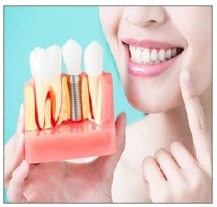
Once the implant is stable, we uncover it and attach a small connector called an abutment above the gum line. We then take precise impressions or digital scans of your teeth and bite so that the lab can design a custom restoration that blends with your natural smile. Shade, shape, and size are all carefully chosen to match neighbouring teeth and your facial features.
Step 5: Final Crown, Bridge, or Denture
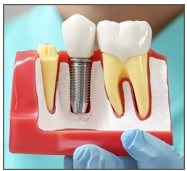
When your crown, bridge, or denture is ready, you return to have it tried in and secured to the implant or implants. We carefully check the fit, bite, and appearance and make any fine adjustments needed for comfort. Before you leave, we review how to care for your new implant at home and schedule future maintenance visits as part of your regular checkups.
Most patients can expect about 3–5 clinical visits from initial assessment to final restoration, with a total treatment time commonly ranging from 12 to 20 weeks, although more complex cases may take longer
How Dental Implants Work in the Jaw
Dental implants are designed to bond directly with your jawbone so they can function like stable, artificial tooth roots. When an implant is placed, the bone gradually grows and attaches to the surface of the post in a process called osseointegration. This creates a strong, long-lasting anchor for a crown, bridge, or denture and helps maintain the shape and density of the jaw over time.
Osseointegration and Bone Stability
Osseointegration is the biological process where bone cells attach to the implant surface and lock it into place. As the implant heals, the surrounding bone remodels and strengthens, allowing the implant to handle everyday forces from chewing and speaking. Because implants stimulate the jawbone in a way that is similar to natural tooth roots, they can help slow or prevent the bone loss that often follows tooth loss.
Differences from Natural Tooth Roots and the Periodontal Ligament
Natural teeth are suspended in the jawbone by a thin, elastic tissue called the periodontal ligament, which allows for tiny movements and acts as a shock absorber. Dental implants, by contrast, are rigidly fused to the bone without a periodontal ligament, so they feel very solid and do not move in the socket. This difference in attachment changes how chewing forces are transmitted to the bone but still allows implants to function comfortably and predictably as part of your bite.
Dental Implants as a Restorative Option
Dental implants are one of the key tools in modern restorative dentistry for replacing missing teeth. They can be used on their own or in combination with other treatments to restore chewing function, appearance, and overall oral health. Depending on how many teeth are missing and where they are located, your dentist can design an implant-based solution that fits into a broader treatment plan for your mouth.
When Dental Implants Are Recommended
Single Missing Tooth
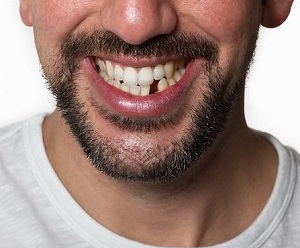
When only one tooth is missing, a single dental implant topped with a custom crown can replace it without involving the neighbouring teeth. This approach preserves healthy tooth structure because there is no need to grind down adjacent teeth for a traditional bridge. It also provides a natural look and feel while helping keep the surrounding bone stable.
Multiple Missing Teeth in a Row

If several teeth in a row are missing, two or more implants can be used to support a fixed bridge that spans the gap. This solution offers strong, non-removable replacement teeth that are easier to live with than a removable partial denture for many patients. It also distributes chewing forces along the implants and helps protect the remaining natural teeth from overload.
Full-Arch Replacement
For patients who have lost most or all of the teeth in an upper or lower jaw, a small number of strategically placed implants can support a full-arch restoration. This might be a fixed bridge that stays in place or a removable denture that clips securely onto the implants. Full-arch implant treatment can greatly improve chewing efficiency, speech, and comfort compared with conventional dentures, especially for people who struggle with loose or unstable plates.
Benefits and Risks of Dental Implants
Dental implants are widely used because they combine strong function with a natural appearance, but they are still a surgical treatment with specific risks and limitations. Understanding both sides helps you decide whether implants fit your overall oral health plan. Dr. Natalie Archer
Key Benefits for Patients
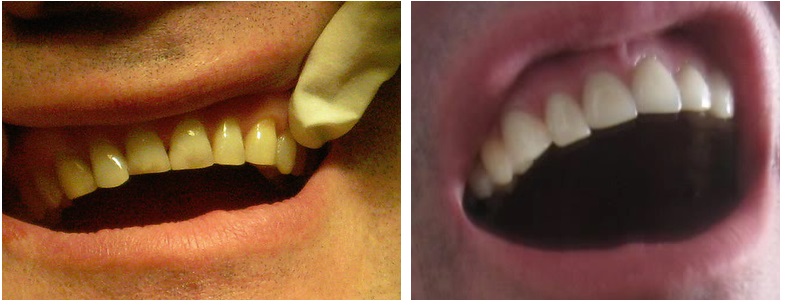
Dental implants provide a stable foundation for replacement teeth, which can make chewing feel more natural and comfortable compared with many removable options. They do not rely on neighbouring teeth for support, so healthy teeth usually do not need to be reshaped the way they would for a traditional bridge. Because implants transmit chewing forces into the jawbone, they can help slow the bone loss that often occurs after tooth removal and support the shape of your face and smile. Many patients also appreciate that implant-supported crowns and bridges are fixed in place, so there is no need to remove them at night or worry about them shifting while talking or eating.
Potential Risks and Limitations
Like any surgery, dental implant placement carries risks such as infection, bleeding, and delayed healing. Implants may not be suitable for everyone; factors such as uncontrolled diabetes, heavy smoking, certain medications, or a history of radiation to the jaw can increase the chance of complications or implant failure. In some cases, there may not be enough bone volume or quality in the jaw to support an implant without additional procedures such as bone grafting or sinus lifts. Even after successful healing, poor oral hygiene or untreated gum disease around implants can lead to peri-implant inflammation and eventual loss of the implant if not addressed.
Who May Not Be a Good Candidate
People with serious medical conditions that affect healing, such as uncontrolled systemic disease, may need medical clearance before implant treatment or may be advised to consider alternative options. Heavy smokers or patients with advanced periodontal disease may require a period of disease control and lifestyle changes before implants are recommended. Your dentist will review your medical history, medications, and oral health to determine whether the benefits of implants outweigh the risks in your specific situation and whether other restorative options might be safer or more predictable for you.
Alternatives to Dental Implants:
Dental bridges are fixed restorations that use the neighbouring teeth for support, offering a more stable and natural-feeling option than removable dentures but requiring those support teeth to be trimmed and crowned. They can be a good alternative to implants when adjacent teeth already need crowns or when a patient prefers a non-surgical, fixed solution.
Partial dentures are removable appliances that replace several missing teeth, usually at a lower cost than implants or bridges, but they can feel bulkier and less stable in the mouth. They are often useful when multiple teeth are missing in different areas or when remaining teeth may change over time.
Complete dentures replace all the teeth in an arch and are typically the most economical way to restore full function and appearance when no natural teeth remain. Unlike implants, dentures rest on the gums and bone, which can mean less stability and ongoing adjustments as your jawbone changes shape.
Alternatives to Dental Implants
| Option | What it is | Pros | Cons | Typical use case |
|---|---|---|---|---|
| Dental bridge | Fixed prosthesis attached to neighbouring teeth to span a gap | Feels stable, relatively quick, no surgery | Requires reshaping adjacent teeth, does not replace root | 1–2 missing teeth with strong neighbours |
| Partial denture | Removable appliance replacing several missing teeth in one arch | Lower upfront cost, non‑surgical, adjustable | Can feel bulky or loose, clasps may show, more maintenance | Multiple gaps with remaining teeth |
| Complete denture | Removable full‑arch appliance replacing all teeth in a jaw | Restores full arch at relatively low cost | Can move or rub, reduced bite force, bone loss over time | All or nearly all teeth missing |
Benefits and Risks of Dental Implants:
Key Benefits for Patients
- Function and chewing efficiency
- Aesthetics and confidence
- Long-term durability and low maintenance
Potential Risks and Contraindications:
Dental implants are generally safe, but certain risk factors can increase the chance of complications or failure, including uncontrolled medical conditions, smoking, and active periodontal (gum) disease. Uncontrolled diabetes, immune compromise, recent head and neck radiation, or conditions that impair healing may make implants higher risk or, in severe cases, contraindicated until stabilized. Smoking and untreated periodontal disease are strongly linked to poor healing and peri‑implantitis (gum and bone infection around the implant), which can lead to bone loss and implant failure. Implants may not be suitable where there is uncontrolled systemic disease, severe jawbone loss that cannot be grafted, inability to maintain good oral hygiene, or when a patient cannot safely undergo surgery or reliably follow aftercare instructions
Comfort, Anesthesia, and Recovery
Dental implant treatment is a surgical procedure, but most patients are surprised by how manageable it feels with proper planning and pain control. This section helps set realistic expectations about what you may feel during and after treatment, and how to care for your mouth as it heals.
Is Dental Implant Surgery Painful?
Dental implant placement is usually done under local anesthesia, which numbs the area so you feel pressure and movement but not sharp pain. Many patients describe the experience as similar to having a filling or tooth extraction, with more time spent on careful planning and positioning than on the actual drilling. For anxious patients or longer procedures, additional comfort options such as oral sedation may be available, and your dentist will review these with you before treatment.
Local Anesthesia and Comfort Measures
Before treatment begins, a topical gel is placed to numb the surface, followed by local anesthetic to thoroughly numb the gums and underlying bone. The dentist will test the area to make sure you are comfortably numb before starting, and can give additional anesthetic if you feel any sensitivity. Throughout the appointment, the team monitors your comfort, offers rest breaks as needed, and provides clear communication so you know what to expect at each step.
What Patients Typically Feel During and After Surgery
During surgery, it is common to feel vibration, gentle pressure, and some sounds from the dental instruments, but not sharp pain. After the anesthetic wears off, you may notice soreness, mild swelling, and tenderness around the implant site for the first few days. These symptoms are usually well controlled with over‑the‑counter pain relievers as recommended by your dentist and tend to improve steadily as healing progresses.
Normal Post-Operative Symptoms and When to Call the Dentist
It is normal to experience mild swelling, slight bruising, and minor bleeding or oozing from the surgical site for the first 24–48 hours. You may also find it more comfortable to chew on the opposite side and to stick to softer foods for the first few days. You should contact the dental office promptly if you notice increasing pain after the first couple of days, heavy bleeding that does not slow with pressure, persistent bad taste or odour, or fever or feeling unwell, as these could be signs of infection or other complications.
Home-Care Instructions and Follow-Up Visits

In the first day or two after surgery, you will typically be advised to rest, avoid strenuous activity, and use cold compresses to reduce swelling. Gentle rinsing with a recommended mouth rinse or warm salt water (after the first day, if advised) and careful brushing away from the surgical area help keep the mouth clean while the tissues heal. As healing progresses, you will gradually return to your normal brushing and flossing routine, with special tools such as interdental brushes or floss aids if needed around the implant. Follow‑up visits allow your dentist to monitor healing, remove sutures if present, and confirm that the implant is integrating well before moving on to the abutment and final restoration.
Number of Visits and Treatment Timeline
Dental patients who have opted for implant surgery should plan on three to five visits from consultation to final crown, spread over several months to allow for healing and implant integration with the jawbone. More complex cases that involve extractions or bone grafting can add additional appointments and extend the overall treatment timeline to a year or longer.
Dental implant surgery is available at Archer Dental clinics
Each clinic has teams of dental professionals; the resident dentist, dental hygienist and dental assistants are highly experienced in performing dental implant surgery. It happens regularly at Archer Dental Baby Point, and in the downtown core at Archer Dental Rosedale and at Archer Dental Little Italy. The same level of expertise and gentle care is provided at all three clinics.


At each Archer Dental clinic, experienced dentists, dental hygienists, and dental assistants perform dental implant surgery using modern techniques with strict infection control. Each location offers the same commitment to patient comfort and affordability.
FAQs – Frequently Asked Questions about Dental Implants
Cost of Dental Implants in Toronto
Dental implant treatment is a significant investment, and total costs can vary depending on your specific situation, the number of implants, and any additional procedures required. It’s helpful to think of the fee as a combination of several steps rather than a single flat price.
Typical Implant Treatment Fees
For many patients, the core fee involves placement of a single implant in the jawbone and restoration with a custom crown. The starting fee range is usually based on the current Ontario Dental Association (ODA) Fee Guide, with the final figure adjusted for the practice’s specific policies and the clinical complexity of your case. Your dentist will typically provide a written estimate that breaks down surgical, restorative, and any lab‑related components so you can see how each part contributes to the total.
Factors That Influence Cost
Several factors can increase or decrease the overall cost of dental implant treatment. These can include the number of implants needed, the type of restoration (single crown, multi‑unit bridge, or full‑arch prosthesis), and whether additional procedures such as bone grafting or sinus lifts are required to create a stable foundation. Other considerations may include the condition of your remaining teeth and gums, the need for extractions, and any specialized imaging or planning tools used for complex cases.
Financing and Payment Options
Because implant care is often delivered over several months, many patients appreciate the ability to plan their payments alongside the clinical timeline. At Archer Dental, treatment plans and financial arrangements can be discussed with a treatment coordinator so you understand what is due at each visit and how any available insurance benefits will be applied. Depending on the practice’s policies, options may include staged payments that follow each phase of treatment or third‑party financing for those who prefer to spread costs over a longer period.
Dental Insurance and Dental Implants
Do dental plans cover implants?
Some dental plans do help cover dental implants, but many either exclude them or only cover part of the treatment, such as the crown or a percentage of the “major” surgical service, up to an annual maximum. Because coverage varies widely by provider and by plan (and newer programs like Canada’s CDCP currently do not fully cover implants), patients should review their specific policy details or call their insurer to confirm what is and is not included.
Questions to Ask Your Insurance Provider
Before starting treatment, it helps to speak with your dental benefits provider so you understand what is and is not covered. You can use these questions as a starting point for that conversation.
Are dental implants covered and at what percentage?
Ask whether your plan covers implant surgery, the implant fixture, and the final crown, bridge, or denture, or if it only covers non‑implant alternatives. Clarify the reimbursement percentage for each part of treatment and whether any separate surgical or anesthesia fees are treated differently.
How do annual maximums affect coverage?
Find out your annual maximum and how much has already been used in the current benefit year. If the plan pays up to a set dollar amount per year, you may want to discuss with your dentist whether treatment can be phased across benefit years to make better use of your coverage.
Are there pre‑existing condition limitations?
Ask whether missing teeth that were extracted before your coverage started are excluded from benefits. Some plans do not cover replacement of teeth that were already missing when the policy began, or have waiting periods before major restorative procedures like implants are eligible.
Is there a least expensive alternative treatment (LEAT) clause?
Many plans only pay benefits based on the cost of the least expensive covered option, such as a traditional bridge or denture, even if you choose implants. Confirm whether your plan uses this type of clause and how it will calculate the benefit if you elect to have dental implants instead of the lower‑cost alternative.
Orthodontics and Dental Implants
Can You Get Braces with Dental Implants?
Yes, you can usually get braces even if you already have dental implants, but the implant itself will not move because it is fixed in the jawbone. Orthodontic treatment is planned around the implant by moving the natural teeth instead, so the timing and position of the implant should be carefully evaluated by your dentist and orthodontist together.
Dental Implant Longevity and Complications
How long will my new dental implants last?
Dental implants are designed to be a long-term or even lifetime solution, and many last 15–25 years or more when patients maintain good oral hygiene and attend regular dental checkups. However, the visible crown on top of the implant typically needs replacement sooner, often after about 10–20 years, due to normal wear and tear.
Can dental implants fail or fall out?
Yes, it is possible your dental implants can fail or fall out, but this is uncommon because they’re designed to integrate firmly in the jawbone. Archer Dental has high, long-term success rates. When problems do occur, they’re usually due to issues like infection, poor bone support, excessive bite force, smoking, or improper placement, and often involve the crown or screw rather than the actual implant post itself.
What should patients do if something feels loose?
If a dental implant or the tooth on top of it feels loose, patients should stop chewing on it, avoid touching or “testing” it, and contact their dentist or implant provider as soon as possible, ideally within 24 hours. In the meantime, they can eat soft foods, keep the area gently clean, and, if something like a crown comes off, store it in a clean container and bring it to their appointment, since early care can often fix simple mechanical issues.