

What Is Orthodontic Treatment?
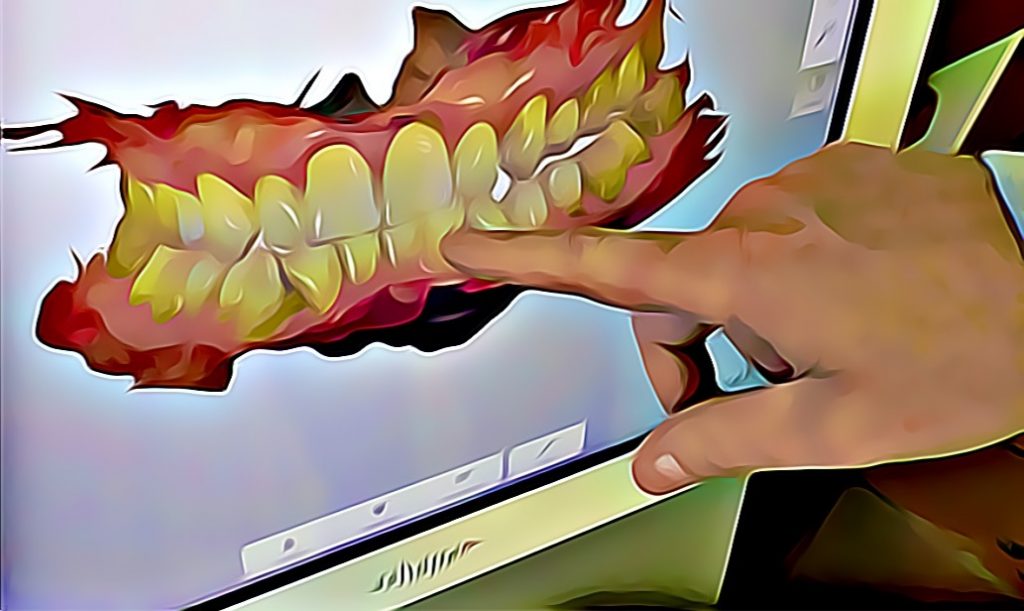
Orthodontics is the area of dentistry focused on how teeth and jaws line up and function together, not just how straight your smile looks. An orthodontist is a dental specialist who diagnoses and treats problems such as overbites, misaligned teeth, jaw discrepancies, and overcrowding using braces and other corrective appliances. Traditionally called orthodontia, or dentofacial orthopedics, this specialty involves both identifying these issues and actively correcting them so patients can bite, chew, and maintain their oral health more effectively over a lifetime.
Today, digital imaging and 3D printing have transformed how orthodontic treatment is planned and delivered. Modern digital radiography uses advanced sensors and computer software to create highly detailed images and models of the teeth, jaws, and supporting structures, reducing reliance on traditional film X‑rays and helping clinicians design more precise, comfortable treatment plans.
Common bite and alignment problems we treat
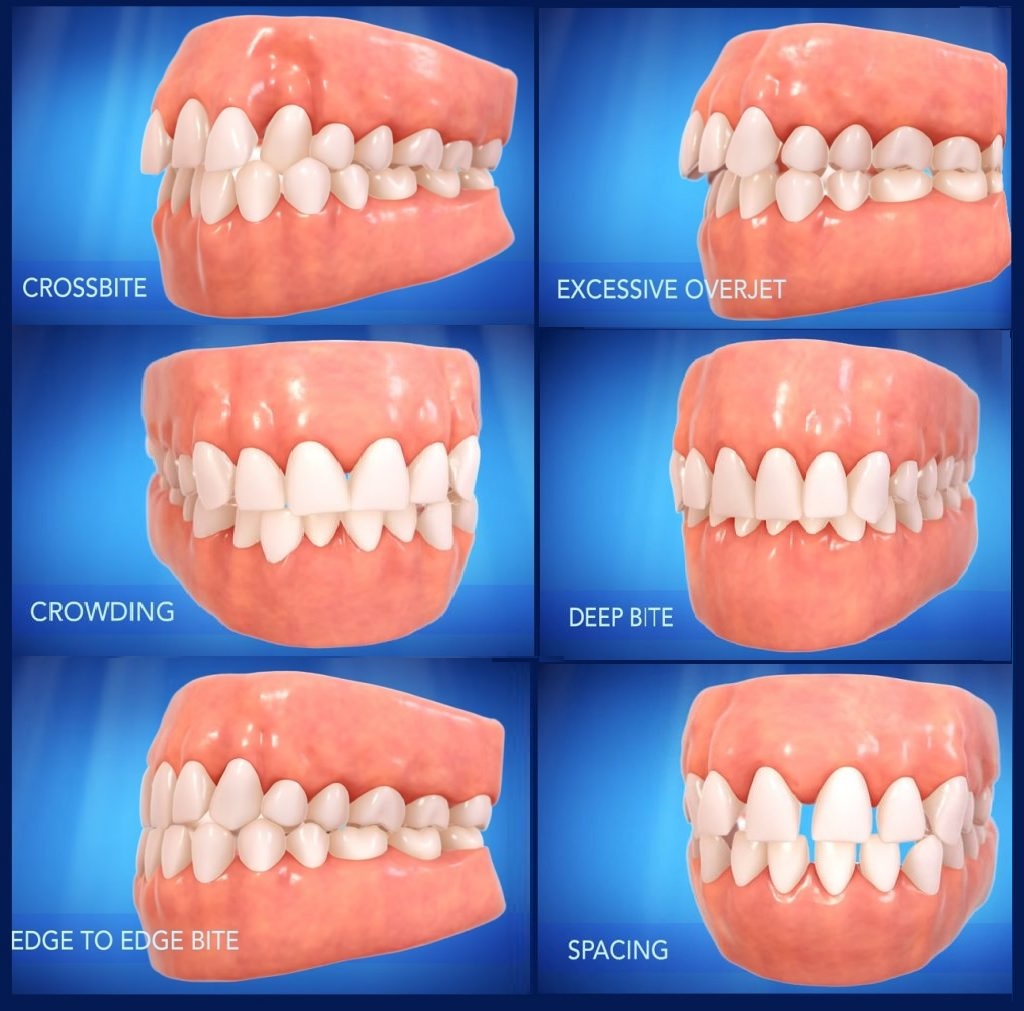
Common bite and alignment problems we treat include crowded or overlapping teeth that are hard to clean, gaps between teeth that affect appearance or function, and teeth that tilt or rotate out of line. We also see many patients with overbites, underbites, crossbites, and open bites, where the upper and lower teeth do not meet properly. These issues can make biting, chewing, and even speaking more difficult, and they may increase the risk of tooth wear, jaw discomfort, and gum problems over time.
Benefits of early orthodontic evaluation
Early orthodontic evaluations give us a head start on protecting your child’s smile and bite as they grow. By checking how the teeth and jaws are developing, we can spot crowding, bite problems, and growth patterns before they become harder to correct. Seeing these changes early does not always mean starting treatment right away, but it does allow us to monitor development and step in at the best time if needed. In many cases, this proactive approach can shorten or simplify future orthodontic treatment, reduce the chance of needing extractions or more invasive procedures, and support healthier, more balanced facial growth.
Orthodontic Options at Archer Dental
At Archer Dental, we offer a range of orthodontic options so we can match the right treatment to your teeth, bite, and lifestyle. After a thorough assessment, we will walk you through the choices that can best improve your alignment, function, and long‑term oral health.
Traditional metal and ceramic braces
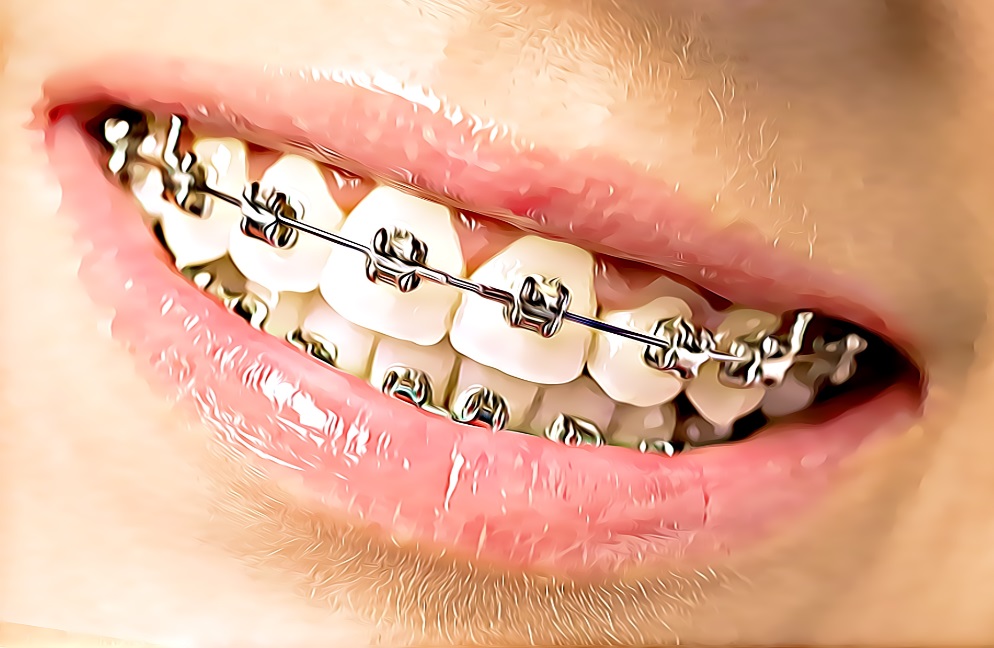
Traditional braces remain one of the most reliable ways to correct moderate to complex orthodontic concerns. Small brackets are bonded to your teeth and connected with wires that are adjusted over time to gently guide teeth into healthier positions.
Ceramic (tooth‑coloured) brackets are also available for patients who prefer a more subtle look while still benefiting from the control and predictability of fixed braces.
Clear brace and aligner‑style treatments (excluding Invisalign)
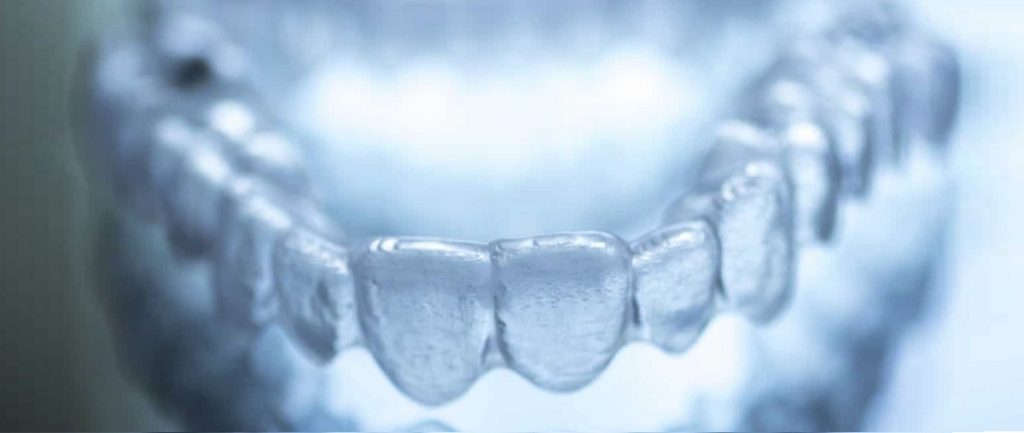
For patients who want a more discreet approach, we may recommend clear brace systems or certain clear aligner‑style treatments that are appropriate for your case. These options use transparent materials and low‑profile designs to blend in with your natural teeth, making treatment less noticeable in social or professional settings. They can be a good fit for many mild to moderate alignment issues while still delivering steady, predictable tooth movement.
Custom space maintainers and appliances
In children and some adults, custom orthodontic appliances play an important role in guiding jaw growth and preserving space for incoming teeth. Space maintainers can hold room after a baby tooth is lost early, while expanders and other devices can help correct narrow arches or bite imbalances as the jaws develop. Using these appliances at the right time can support better long‑term alignment and may reduce the need for more extensive treatment later on.
Interceptive Orthodontics for Children
Interceptive orthodontics focuses on identifying and gently correcting developing bite and jaw issues while your child is still growing. By stepping in during these early years, we can often guide growth in a healthier direction and make any future orthodontic treatment simpler and more efficient.
When to consider early treatment?
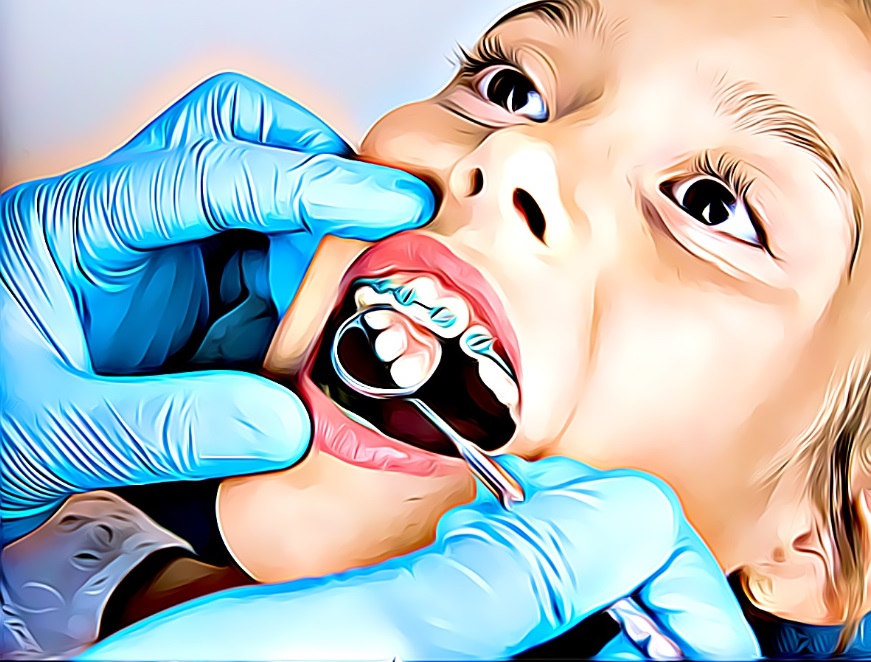
You may want to consider early orthodontic treatment if your child has very crowded or protruding teeth, loses baby teeth much earlier or later than expected, or has difficulty biting, chewing, or closing their lips comfortably. Crossbites, underbites, mouth breathing, thumb‑sucking habits, and noticeable jaw shifts when your child bites down are also signs that an early assessment could be helpful. Even if treatment does not start right away, monitoring these patterns lets us choose the most effective time to intervene.
How interceptive treatment guides jaw growth
Interceptive treatment uses custom appliances and growth‑guidance techniques to gently influence how the jaws develop and how the upper and lower teeth come together. These appliances can widen a narrow upper jaw, help correct bite imbalances, and create more space for incoming adult teeth. By guiding jaw growth while the bones are still flexible, we can support better facial balance, improve function, and reduce the need for more complex treatment, extractions, or jaw surgery later in life.
Your Orthodontic Assessment at Archer Dental
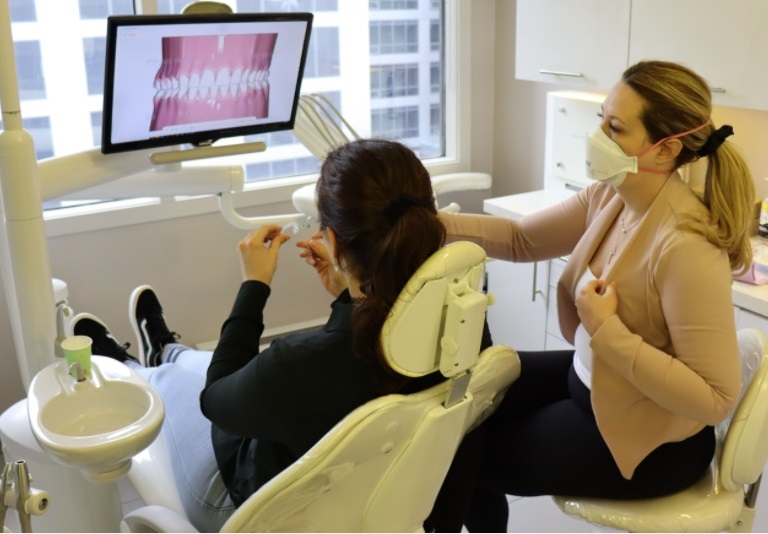
Every orthodontic journey at Archer Dental begins with a thorough assessment at one of our Toronto clinics. During this visit, we look closely at your teeth, bite, and jaw function so we can understand what is happening now and what you want to change. This lets us recommend a treatment plan that fits your goals, lifestyle, and oral health, and gives you clear expectations about the steps ahead.
Digital scans, X‑rays, and treatment planning
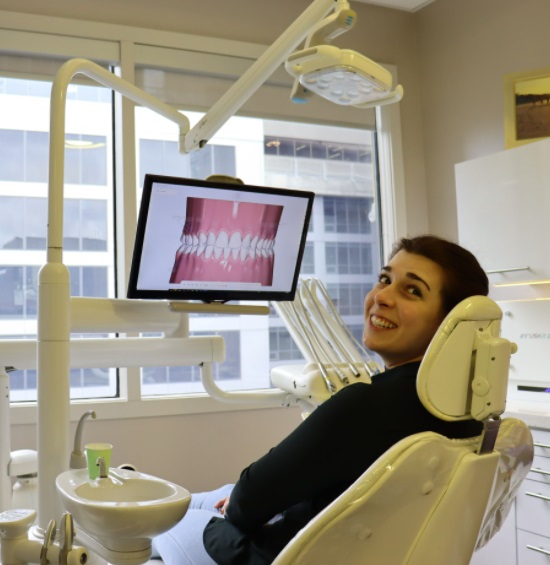
Your assessment may include digital scans, photographs, and X‑rays to build a complete picture of your teeth and jaws. These detailed images help us measure tooth positions, evaluate bone support, and see how your upper and lower teeth fit together. Using this information, we design a personalized orthodontic plan, review your options, such as braces, appliances, or growth‑guidance treatments.
How long treatment usually takes
The length of orthodontic treatment depends on your age, the complexity of your bite, and the type of appliances used. Some minor alignment concerns can be addressed in under a year, while more involved cases often take 12–24 months or longer. At your assessment, we will give you an individualized time estimate and explain how factors like appointment timing, appliance care, and wearing instructions can help keep your treatment on track.
Orthodontic Care at Our Toronto Locations
Each clinic has teams of dental professionals; the resident dentist, dental hygienist and dental assistants are highly experienced in performing orthodontic treatments, which happen regularly at Archer Dental Baby Point, and in the downtown core at Archer Dental Rosedale and at Archer Dental Little Italy on College Street. The same level of expertise and gentle care is provided at all three clinics.


At each Archer Dental clinic, experienced dentists, dental hygienists, and dental assistants are experienced orthodontic treatments using modern techniques. Each location offers the same commitment to patient comfort and affordability.
Orthodontic Treatments vs. Invisalign
Both traditional orthodontic treatments and Invisalign can straighten teeth and improve your bite, but they are not always interchangeable. At Archer Dental, we look at the type and severity of your bite issues, your lifestyle, and your treatment goals before recommending braces, appliances, or clear aligners.
When braces or appliances are the better choice
Braces and fixed orthodontic appliances are often the best option for more complex concerns, such as significant crowding or spacing, rotated teeth, or major bite discrepancies involving the jaws. Because they are attached to the teeth and adjusted in small, precise steps, they give your dental team a high level of control over how each tooth moves. They can also be more reliable for younger patients or anyone who might find it difficult to wear removable aligners for the required number of hours each day.
When to explore Invisalign?
Invisalign may be a great choice if you have mild to moderate alignment issues and want a more discreet, removable treatment. Clear aligners can make it easier to brush, floss, and enjoy meals without many of the restrictions that come with fixed braces. If your assessment shows that aligners are suitable for your case, we will invite you to learn more on our dedicated Invisalign page and discuss how that treatment would compare with traditional orthodontic options in your specific situation

FAQs About Orthodontic Treatment in Toronto
What age should my child first have an orthodontic check?
Most children benefit from an orthodontic‑style evaluation around age seven, when a mix of baby and adult teeth lets us spot developing bite or jaw issues early.
Is orthodontic treatment only for children and teens?
No. Many adults choose orthodontic treatment to improve their bite, comfort, and confidence, and modern options make treatment more discreet and flexible for busy schedules.
How long does orthodontic treatment usually take?
Treatment time depends on your specific needs, but braces and appliance therapy commonly range from about 12 to 24 months, with some simpler or more complex cases falling outside that window.
Will braces or appliances hurt?
You may feel pressure or tenderness when treatment begins and after adjustments, but this usually settles within a few days and can be managed with simple comfort measures at home.
How does Archer Dental handle dental insurance for orthodontics?
Most orthodontic treatments at Archer Dental can be submitted to your dental insurance if your plan includes orthodontic benefits, but coverage varies widely between policies. Before starting treatment, we recommend checking details such as your reimbursement percentage, any deductibles, and yearly or lifetime maximums for orthodontics. Our team can provide a detailed treatment estimate and, when needed, help you submit information to your insurer so you have a clear picture of what they may cover and what your out‑of‑pocket costs are likely to be.
Do I still need to see my regular dentist during orthodontic treatment?
Yes. Regular checkups and cleanings with your general dentist are essential throughout orthodontic treatment to help prevent cavities, gum problems, and enamel issues while your teeth are moving.