
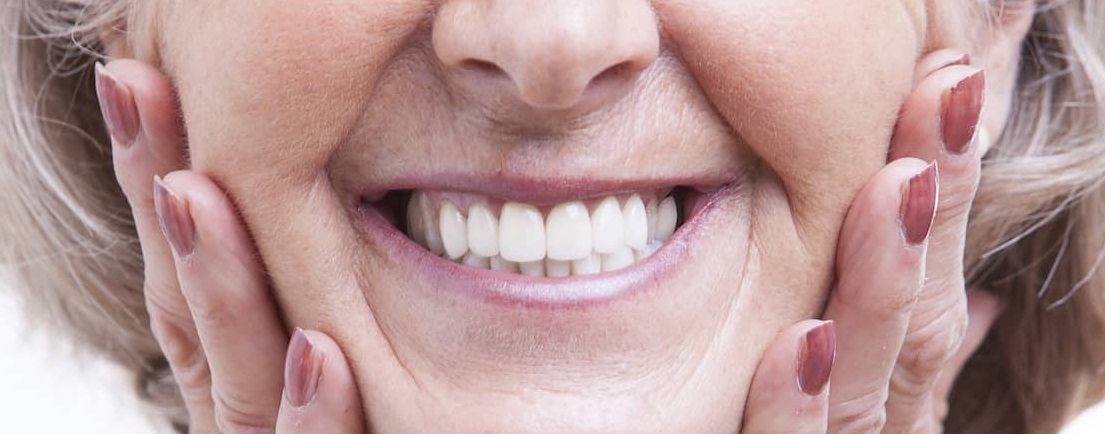
High Quality, Affordable Dentures in Toronto
Losing teeth can make you think twice before doing anything in public, even everyday things like eating, speaking, and smiling can risk embarrassment. At Archer Dental, we design custom dentures which are tailored to your mouth, your facial features, and your goals, so your new smile looks natural and feels comfortable. Good dentures can improve your smile and your whole life.
If you are missing teeth, or you already wear dentures that no longer fit properly, or you’ve been told to consider extractions and want to know your options, then read on because we’ve made this page for you. Whether you’re comparing full and partial dentures, wondering about implant‑supported solutions, or simply looking at all the possibilities, we’re here to help.
Book a dentures consultation.

What are dentures?

Dentures are custom-made removable prosthetic teeth designed to replace any natural teeth you may have lost in your upper jaw, lower jaw, or both. They sit on top of your gums and are designed to match the shape of your mouth so you can chew, speak, and smile naturally.
Modern dentures are made from materials such as acrylic resin, nylon, and sometimes metal components, which allows them to be thinner, lighter, and more natural-looking than older styles.
Depending on how many teeth you are missing, your dentist may recommend complete dentures (to replace all teeth in an arch) or partial dentures (to replace just a few missing teeth while keeping your healthy teeth in place).
What can dentures replace?
Dentures are used to replace missing teeth and some of the surrounding gum tissue in areas where teeth have been removed or lost. They can be designed to replace a single arch of teeth, both arches, or only the spaces where a few teeth are missing while your remaining natural teeth stay in your smile.
By filling in these gaps, dentures also replace some of the structural support your teeth once gave your cheeks and lips.
This helps reduce the “sunken” look that can happen after tooth loss and helps restore the overall shape of your lower face.
How dentures help with chewing, speech, and appearance

When you lose many teeth, chewing certain foods becomes difficult or even painful, and you may avoid nutritious options like fruits, vegetables, and proteins.
Well-fitting dentures provide a new biting surface so you can break down food more effectively, which supports better digestion and a more varied diet.
Teeth also play a major role in forming sounds, guiding your tongue and lips as you speak. Once you adjust to them, properly fitted dentures help you pronounce words more clearly and reduce lisps or slurring that can appear after significant tooth loss.
From an appearance standpoint, dentures replace the visible teeth in your smile and support your lips and cheeks, which can make your face look fuller and more youthful.
Because dentures are custom-coloured and shaped to suit you, they can be designed to look very similar to your natural teeth or give you a lighter, more uniform smile if that is your goal.
Dentures vs dental implants
Both dentures and dental implants are used to replace missing teeth, but they work in very different ways and offer different benefits.
Dentures rest on the gums (and sometimes clip to nearby teeth or implants), and they are usually removable, while dental implants are small titanium posts that are surgically placed in the jawbone to act like artificial tooth roots.
Because implants are anchored in bone, they can restore close to natural chewing force and help slow or prevent bone loss in the jaw where teeth are missing.
Traditional dentures, by comparison, typically provide a lower biting force and rely on suction, muscle control, and sometimes denture adhesive to stay in place, so they may feel less stable with very hard or sticky foods.
Comparing the costs of dentures to dental implants.
Implants are typically more expensive upfront and require enough healthy bone and good general health for surgery, so they are not appropriate for everyone.
Dentures are generally more affordable, as they do not require surgery, and can often be made faster, which makes them a good solution for many people, especially when several or all teeth are missing.
Some patients choose a combination approach called implant-supported or “snap-in” dentures, where a small number of implants are used to secure a removable denture for added stability.
During your consultation, your dentist can compare these options with you in detail and recommend the approach that best fits your oral health, lifestyle, and budget.
Types of dentures offered at Archer Dental
Different denture designs work best in different situations, depending on how many teeth you are missing, the health of your gums and jawbone, and your long-term treatment goals.
Below is an overview of the main types of dentures your dentist may discuss with you, along with how they are used and who they tend to suit best.
Complete dentures
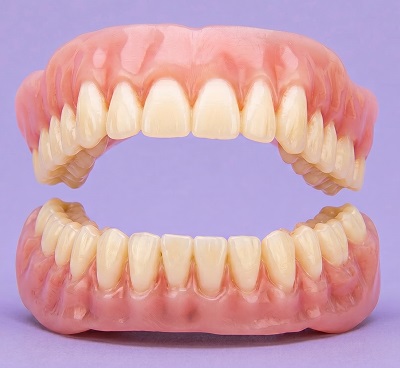
Complete or full dentures are used when all of the natural teeth in the upper jaw, lower jaw, or both have been lost or need to be removed.
They are custom-made to sit directly on your gums, replacing an entire arch of teeth and helping support your lips and cheeks to prevent a sunken facial appearance.
These dentures are usually made after your gums have healed from extractions, which helps ensure a more stable fit once your mouth has settled.
Full dentures are typically a good option if you are missing most or all of your teeth in an arch and prefer a non-surgical, more affordable approach compared to full-arch implants.
Partial dentures
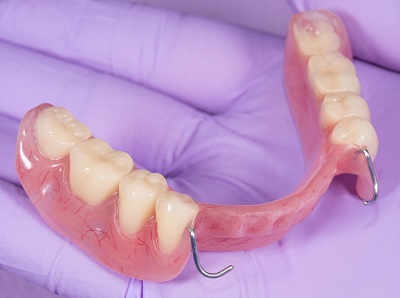
Partial dentures are used when you still have some healthy natural teeth remaining and only need to replace the spaces where teeth are missing.
They are designed to clip to or rest around your existing teeth, filling in the gaps and helping keep your remaining teeth from shifting out of position over time.
Because they anchor to your natural teeth, well-designed partial dentures can feel more stable than full dentures and often allow for more natural chewing and speech patterns.
They are usually recommended when you are missing several teeth but still have enough healthy teeth to support the denture framework.
Immediate dentures
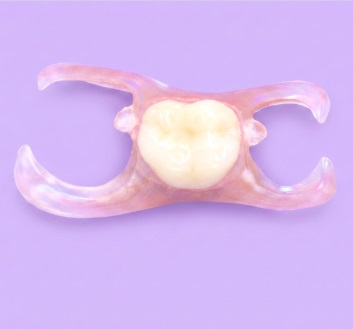
Immediate dentures or ‘flippers’ are dentures which are made in advance and placed in your mouth right after your remaining teeth are removed. Flippers are a temporary, fast solution for missing teeth. It’s usually made quick and deployed immediately after a tooth extraction while waiting for gums to heal. They allow you to leave the office with teeth in place on the same day as the dental extraction, which can be very helpful for appearance and confidence while you heal.
Because your gums and jawbone naturally change shape during healing, immediate dentures almost always need adjustments, relines, or eventually replacement with a more permanent set once healing is complete.
They are often used as a temporary solution during the transition from natural teeth to conventional complete dentures or implant-supported options.
Implant-supported dentures
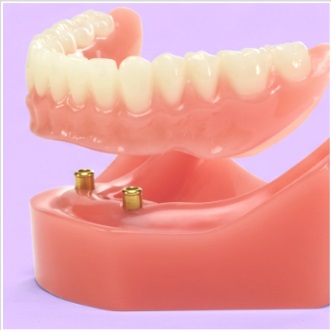
Implant-supported dentures are sometimes called “snap-in” or “overdenture” solutions. These combine dentures with dental implants for extra stability.
How it works is, a small number of implants are placed in the jawbone, and the denture is designed to attach to these implants and ‘snap’ into place. The ‘fastener’ makes it less likely the denture will move or slip while you eat or talk.
Bone loss is reduced. Because the implants act like artificial roots, the osseointegration process helps stimulate the jawbone and can slow or reduce the usual bone loss that often happens with traditional dentures.
Implant-supported dentures usually offer stronger chewing ability and more confidence with harder or stickier foods, but they do involve surgery and higher upfront costs compared to standard dentures.
Which type of denture is right for you?
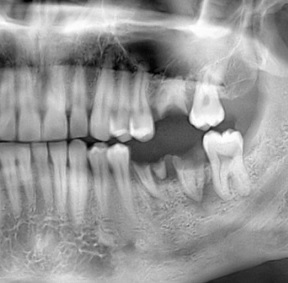
The best denture option for you depends on how many teeth you are missing, the condition of your remaining teeth and gums, the amount of jawbone you have, and whether surgery and implants are a good fit for your health and budget.
People who have lost all or nearly all of their teeth in an arch often do well with complete dentures or implant-supported dentures, while those with several healthy teeth remaining may be better suited to partial dentures that work with what they still have.
If you are having teeth removed and do not want to go without teeth during healing, immediate dentures can be a useful short-term option that later transitions into a more stable long-term solution.
During a consultation, your dentist can examine your mouth, review X-rays, discuss your daily habits and goals, and then recommend one or two options that make the most sense for your situation.
Who may be a good candidate for dentures?
Many people are surprised to learn how common dentures are, and that they are often a practical solution for restoring function and confidence after tooth loss.
You may be a good candidate if you are missing several teeth, have difficulty chewing or speaking because of your teeth, or are planning extractions and want a way to replace those teeth.
Your dentist will look at your overall oral health, the condition of your gums and jawbone, and your goals for comfort, appearance, and budget before recommending dentures or alternatives like dental implants or bridges.
Missing several or all teeth
Dentures are commonly recommended for people who have lost many or all of their natural teeth in one or both jaws.
Tooth loss can be caused by long-term decay, gum disease, injuries, or wear over time, and replacing those missing teeth helps restore chewing function and support for your cheeks and lips.
If you are already missing most of your teeth, or you have multiple teeth that cannot be saved, your dentist may discuss complete dentures, partial dentures, or implant-supported dentures as options to rebuild your smile.
Difficulty chewing or speaking
Struggling to chew comfortably is a major reason people consider dentures.
When you are missing teeth or your remaining teeth are very worn or loose, you may avoid certain foods, swallow large pieces without chewing well, or notice digestive issues like heartburn or upset stomach.
Teeth also play a key role in forming sounds and guiding your tongue and lips as you speak, so gaps or unstable teeth can lead to slurring, lisps, or difficulty pronouncing certain words.
If you find you are changing the way you speak or eat to “work around” your teeth, that is often a sign that a tooth-replacement option such as dentures or implants should be explored.
Dentures after extractions
Sometimes dentures are part of a planned treatment that includes removing teeth that are badly decayed, broken, or infected. In these cases, your dentist may recommend immediate dentures to wear right after extractions so you do not have to go without teeth while your gums heal.
As your mouth changes shape during healing, those immediate dentures are adjusted and may later be replaced with a more permanent set of complete or partial dentures, or with implant-supported options.
Your suitability for dentures after extractions depends on factors like the health of your gums, any remaining teeth, and the amount of jawbone support you have.
Dentures after gum disease or tooth loss
Advanced gum disease (periodontal disease) is one of the most common reasons adults lose teeth, and dentures are often used after treatment to replace the teeth that could not be saved.
Once the infection in the gums has been controlled, full or partial dentures can sit on the healed gums and restore the appearance and function of your smile.
In some cases, dental implants can also be used along with dentures to improve stability, as long as there is enough healthy bone left to support the implants.
Your dentist will typically take X-rays or other imaging to evaluate bone levels and help you decide whether traditional dentures, implant-supported dentures, or another option is the best fit after tooth loss from gum disease.
When implants may also be considered?
Dental implants may be considered alongside or instead of traditional dentures if you are looking for a more fixed, long-term solution that feels and functions closer to natural teeth.
Implants are small titanium posts placed in the jawbone, and once they heal they can support single crowns, bridges, or implant-supported dentures that “snap” into place for added stability.
You may be a good candidate for implants if you have generally good health, healthy gums or gums that can be treated, and enough jawbone to hold the implants securely.
People who want to improve biting strength, reduce or eliminate denture movement, or help prevent further bone loss in the jaw often benefit from considering implants as part of their treatment plan. In some cases, implants are used specifically to support a denture, rather than replacing every missing tooth with its own implant. This approach can offer a balance between stability and cost by using a small number of implants to anchor a full or partial denture more securely than a traditional removable denture alone.
Your dentist will review your medical history, imaging, and goals to help you decide whether staying with traditional dentures, choosing implant-supported dentures, or replacing specific teeth with implants is the best way forward.

Getting Dentures, the Process at Archer Dental
Getting dentures is a step‑by‑step process, and our goal is to make every stage clear and comfortable for you. From your first consultation to your final adjustments, we focus on building a denture that fits your mouth, your lifestyle, and your long‑term oral health.
Consultation and oral exam
Your dentures journey starts with a comprehensive consultation and oral examination.
During this visit, your dentist reviews your health history, listens to your concerns, and asks about how your teeth are affecting your daily life, from chewing and speaking to your confidence in social settings.
We then examine your teeth, gums, and bite, looking for signs of decay, infection, gum disease, or bone loss that could affect your treatment options. You will have time to ask questions, and we will outline whether complete dentures, partial dentures, implant‑supported dentures, or another restorative option might be appropriate in your case.
Digital imaging and treatment planning
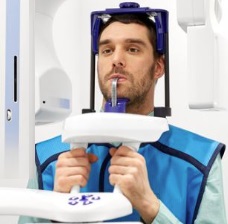
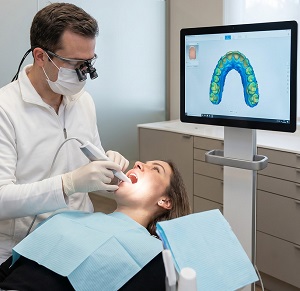
To fully understand your oral structures, we use digital imaging (such as X‑rays or 3D scans) to assess your jawbone, remaining teeth, and the health of the surrounding tissues. These images help us plan safely around nerve pathways, sinuses, and areas of previous dental work.
Using this information, we design a personalized treatment plan that sets out each stage of care, including any extractions, the type of denture recommended, expected timelines, and how your new teeth will work with your facial features and bite. We will also discuss how dentures compare with other options such as dental implants or bridges, including the benefits, limitations, and cost ranges for each, so you can make an informed decision.
Extractions or preparatory treatment if needed
If you have teeth that are broken, infected, or too damaged to restore, we may recommend removing them as part of your denture plan. In some cases, this is done in stages; in others, several teeth are removed in one visit, depending on what is safest and most comfortable for you.
Before any extractions, we ensure your gums and any existing gum disease are treated so the foundation for your dentures is as healthy as possible. Where needed, we may perform smoothing of the bone or other minor surgical steps to create a more stable, comfortable surface for your future denture.
If you and your dentist decide on immediate dentures, these are made in advance and placed right after your teeth are removed, so you do not have to go without teeth while healing. If you are moving toward conventional or implant‑supported dentures, we allow the tissues to heal and stabilize before taking the most precise measurements.
Impressions and fitting
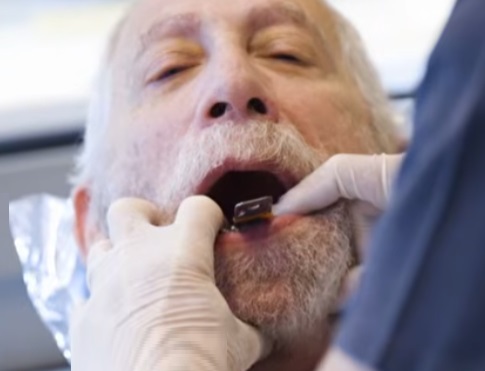
Once your mouth is ready, we take detailed impressions (moulds) and measurements of your gums, remaining teeth (if any), and how your upper and lower jaws come together. These records guide the dental laboratory in creating a denture that matches your bite, facial proportions, and desired tooth shape and shade.
You will typically have one or more “try‑in” appointments, where we place a wax or preliminary version of your denture in your mouth. This gives us a chance to check the fit, bite, and appearance before the final denture is processed, and you can give feedback on how the teeth look and feel.
After any needed adjustments, we deliver your finished dentures and review how to put them in and take them out, how to care for them, and what to expect over the first few weeks.
We encourage you to bring questions and to be honest about how they feel, so we can fine‑tune the fit as needed.
Adjustments and follow-up care
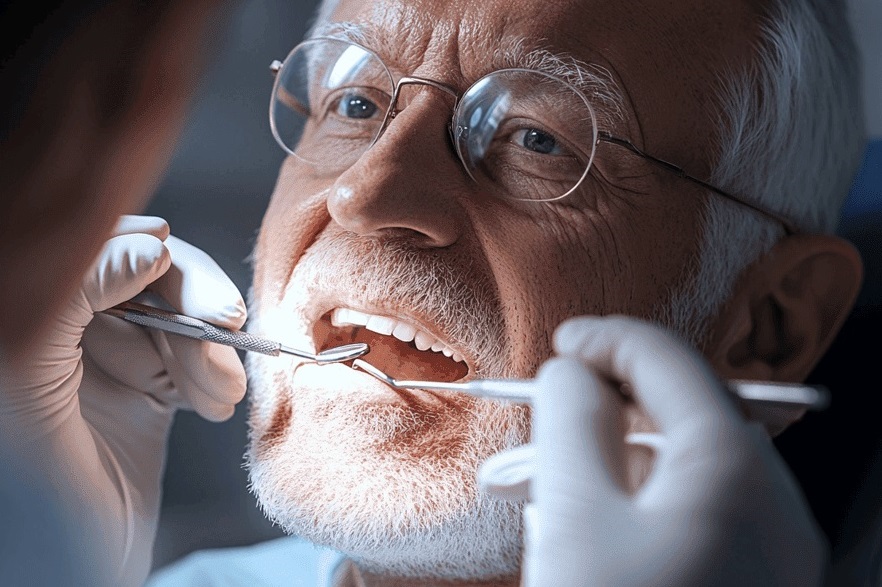
It is normal to need several small adjustments as you get used to new dentures. Areas where the denture rubs, pinches, or feels high when you bite are carefully relieved so that the denture sits more comfortably on your gums.
We schedule follow‑up visits to check how your gums are healing, evaluate your chewing and speech, and make further refinements to the fit. Over time, the shape of your gums and jawbone can change, so periodic relines or remakes may be recommended to maintain comfort and stability.
Ongoing care also includes monitoring the health of any remaining natural teeth, your gums, and the tissues under the denture, as well as reviewing cleaning routines and denture storage.
We want your dentures to be part of a long‑term plan for a healthy, functional mouth—not just a one‑time appliance.
What to expect with new dentures
Comfort and adaptation period
New dentures almost always require an adjustment period, even when they fit well. At first, they may feel bulky, loose in certain spots, or simply “different” from what you are used to, and your tongue and cheeks need time to learn how to work with them.
Mild sore spots or areas of rubbing are common in the first days or weeks and are usually resolved with small adjustments at the clinic. We will give you guidance on how long to wear your dentures each day as you adapt, when to take breaks, and when to call us if something does not feel right.
Over time, most patients find that their dentures begin to feel like a more natural part of their mouth, especially once the fit is fine‑tuned and their muscles adapt. Being patient with yourself, following our aftercare instructions, and attending your follow‑up visits all help this phase go more smoothly.
Eating and speaking tips
Eating with dentures takes practice, and starting slowly makes a big difference. We usually suggest beginning with soft foods cut into small pieces, chewing slowly on both sides of your mouth at the same time to keep the denture more stable.
As you become more confident, you can gradually reintroduce a wider range of foods, avoiding very hard, sticky, or extremely tough items until you and your dentist are sure your dentures can handle them. Using a small amount of denture adhesive, if recommended, can sometimes help during the early stages while you are building confidence.
Speaking can also feel different at first, especially with sounds that involve the tongue touching the front teeth or roof of the mouth. Reading out loud at home, practicing common phrases, and enunciating words is your active therapy. You will talk a little slower and clearer for the first few weeks as your mouth learns new patterns with the dentures in place.
If certain words are consistently difficult, you can bring that up at your follow‑up visit so we can check whether a minor adjustment to the denture shape or position might help. Most people find that, with time and a bit of practice, their speech returns to normal and they feel more comfortable talking, laughing, and smiling around others.
How long do dentures typically last?
With proper care and regular checkups, most dentures last many years, but they are not designed to be permanent.
On average, traditional full dentures often last around 5 to 10 years before they need to be replaced, while partial dentures may last a similar or slightly shorter time depending on the materials used and how they are maintained.
Implant-supported dentures can sometimes last longer than conventional removable dentures, but they still require ongoing care and occasional repairs or replacement of the denture portion over time.
Changes in your gums and jawbone, normal wear on the teeth, and everyday habits all affect how long your dentures will stay comfortable and functional.
When adjustments or relines are needed
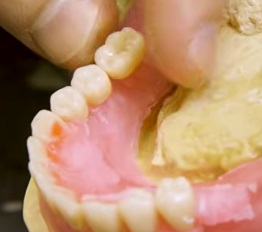
Even a well-made denture will need adjustments as your mouth changes. Over time, your gums and jawbone remodel after tooth loss, which can cause dentures that once fit well to become loose, rock, or create sore spots.
A denture reline reshapes the inner surface of your denture so it better matches your current gum contours, improving comfort and stability without replacing the entire denture.
Many people benefit from a reline every 1 to 3 years, or sooner if the denture starts to feel loose, rubs, or makes it harder to chew and speak clearly.
If your denture is cracked, very worn down, or has had multiple repairs, it may be time to consider a new denture instead of another reline.
Denture care and maintenance
Taking care of your dentures and the tissues underneath them is essential for comfort, freshness, and longevity.
Good denture hygiene helps prevent irritation, fungal infections, and bad breath, and it also protects any remaining natural teeth and your gums.
Daily cleaning routine
Remove and rinse your dentures after eating to wash away food particles and loose debris.
Gently brush your dentures at least once a day with a soft brush and a non-abrasive denture cleanser, liquid soap, or a product recommended by your dentist—regular toothpaste can be too abrasive and may scratch the surface.
Be sure to clean all surfaces, including around any clasps, and remove any denture adhesive from the grooves that rest against your gums.
Brush any remaining natural teeth and gently clean your gums, tongue, and the roof of your mouth before you put your dentures back in.
How to store dentures overnight
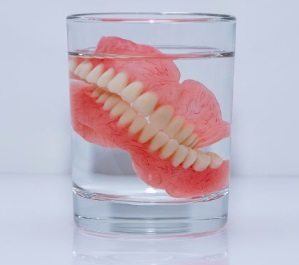
Dentures need to stay moist to maintain their shape. Before bed, remove your dentures, rinse them, and place them in plain water or a mild denture‑soaking solution, following the instructions for the product you use.
Always rinse your dentures thoroughly before putting them back in your mouth in the morning, especially if they have been soaking in a cleaning solution, since some solutions can be irritating if swallowed.
Taking your dentures out at night also gives your gums a chance to rest and helps reduce the risk of irritation and infections.
What not to do
Do not use hot or boiling water on your dentures, as it can warp the material and ruin the fit.
Avoid harsh cleaners, bleach, or abrasive pastes and brushes that can scratch or weaken the denture surface over time.
Do not sleep in your dentures unless your dentist has given you specific instructions to do so, since constant wear can increase the risk of sore spots and infections.
Avoid biting directly into very hard foods like ice or hard candies, and be cautious with very sticky foods that can pull on your dentures and loosen them.
If your dentures break, crack, or lose a tooth, do not try to fix them with household glues or tools—these products are not safe to put in your mouth and can make repair more difficult.
Signs your dentures need attention
Contact your dentist if your dentures start to feel loose, slip when you speak or chew, or cause sore spots, cuts, or swollen areas on your gums.
Difficulty eating foods you used to manage well, changes in your speech, or a feeling that your bite has changed can all be signs that a reline, adjustment, or replacement may be needed.
Visible damage such as cracks, chips, or worn‑down teeth on the denture also mean it is time to have them checked.
Regular checkups allow your dentist to examine both your dentures and the tissues underneath them, catch problems early, and help extend the life and comfort of your dentures.
Dentures cost and insurance
The cost of dentures can vary widely from person to person, and we know that budgeting for treatment is an important part of your decision. At Archer Dental, we explain your options clearly, provide written estimates, and help you understand how your insurance or any government programs may contribute to your care.
What affects the cost of dentures?
Several factors influence the cost of dentures, including the type of denture you choose (complete, partial, immediate, or implant‑supported), the materials used, and the complexity of your case.
Additional procedures—such as extractions, gum treatment, relines, or implant placement—also affect the total investment because they are separate services that help create a healthy, stable foundation for your new teeth.
In the Toronto area, published ranges for conventional dentures show that fees can differ significantly from clinic to clinic, especially for premium or implant‑supported options.
Your personalized treatment plan from Archer Dental will outline which services are recommended in your situation and provide a clear breakdown so there are no surprises.
Insurance and predeterminations
Many private dental insurance plans classify dentures as “major” services, which often come with different coverage levels, annual maximums, and frequency limits compared to basic care.
Government programs, including newer national plans, may also provide partial or full coverage for certain denture services if you meet their eligibility criteria.
Because coverage varies so much from plan to plan, Archer Dental can help you submit a predetermination (pre‑authorization) to your insurer before treatment begins.
This process lets you see in advance what portion of your recommended dentures and related procedures your plan is likely to cover, and what your out‑of‑pocket portion may be.
Financing or payment options
If you do not have coverage, or if your insurance only covers part of your treatment, we know it can still be important to move forward with care. Many dental offices partner with third‑party financing providers or offer in‑house payment plans so that the cost of dentures can be spread over time in manageable monthly payments.
At Archer Dental, we can review the payment options available to you and help you choose an approach that fits your budget and timing, whether that means phasing treatment, using financing, or combining insurance benefits with personal payments.
Value of a treatment consultation
Because every mouth and every insurance plan is different, a consultation is the most accurate way to understand the real cost of dentures in your situation. During this visit, we evaluate your oral health, discuss your goals, review any X‑rays or scans, and outline one or more treatment paths with cost estimates for each option.
We also invite you to bring your insurance information so our team can help you interpret your benefits and, where appropriate, submit a predetermination before you commit to major treatment.
By the end of the consultation, you should have a clear sense of the recommended approach, how it fits with your coverage and budget, and what the next steps look like if you decide to move ahead.
Why choose Archer Dental for dentures?
Choosing where to have your dentures made is just as important as choosing the type of denture itself. Archer Dental combines advanced training, modern technology, and a coordinated team approach to help you get a denture that looks natural, fits comfortably, and supports your long‑term oral health.
Prosthodontic expertise
Dentures are more than “false teeth”; they are custom prosthetic devices that have to work with your bite, jaw joints, facial muscles, and smile. At Archer Dental, your denture care is planned and delivered with input from clinicians who have advanced training in restorative and prosthodontic concepts, so we are always thinking about function and aesthetics together, not just replacing what is missing.
We carefully assess your bite, jaw relationships, and facial proportions when designing your dentures, whether you need a full denture, a partial denture, or an implant‑supported solution.
This attention to detail helps your dentures feel more secure, look more natural, and work better with your speech and chewing.
We focus on comfort, communication, and follow‑ups
We know that getting dentures is a big decision, both emotionally and practically. Our clinicians will take the time to explain your options in clear language, show you what to expect at each stage, and check in regularly during the adjustment period so we can address any sore spots or concerns early.
Each clinic has teams of dental professionals; the resident dentist, dental hygienist and dental assistants are highly experienced making and fitting dentures and other similar oral devices. The practice happens regularly at Archer Dental Baby Point, and in the downtown core at Archer Dental Rosedale and on College Street at Archer Dental Little Italy. The same level of expertise and gentle care is provided at all three clinics.


At each Archer Dental clinic, experienced dentists, dental hygienists, and dental assistants help patients find full or partial denture solutions which are either temporary or permanent, fixed or removable devices. Each location offers the same commitment to patient comfort and affordability.
FAQs – Questions about Dentures in Toronto
How do I know if I need full or partial dentures?
You may be a candidate for full dentures if you are missing most or all of your teeth in your upper jaw, lower jaw, or both, or if several remaining teeth cannot be restored. Partial dentures are usually recommended when you still have a number of healthy teeth that can be kept and used to support a denture that fills only the spaces where teeth are missing.
At your exam, your dentist will look at how many teeth you have left, the condition of those teeth and your gums, and your long‑term goals before recommending full dentures, partial dentures, or another option.
Are dentures uncomfortable?
Well‑made dentures are designed to be as comfortable as possible, but it is normal to go through an adjustment period when you first start wearing them.
In the beginning, they may feel bulky, tight in some spots, or loose in others, and you might notice mild sore areas on your gums.
These pressure points can usually be relieved with small adjustments at the clinic, and most people find their dentures become much more comfortable after a few follow‑up visits and a few weeks of daily wear.
If you ever have pain that does not improve, or sores that do not heal, you should contact your dentist so the fit can be checked.
Can I sleep with dentures in?
In most cases, dentists recommend taking your dentures out at night. Sleeping without your dentures gives your gums and jaw tissues a chance to rest and reduces the risk of sore spots and infections.
Taking your dentures out also makes it easier to clean both the dentures and the tissues underneath them properly. If there is a specific reason your dentist wants you to wear them overnight—for example, with immediate dentures after surgery—they will give you clear instructions and a timeline.
How do dentures compare to implants?
Both dentures and dental implants are used to replace missing teeth, but they work differently.
Dentures rest on your gums and can usually be removed, while implants are small metal posts placed in the jawbone that act like artificial roots and support fixed or “snap‑in” teeth.
Implants typically provide stronger biting power and can help slow bone loss in the jaw, but they require surgery, a longer healing time, and a higher upfront cost. Traditional dentures are generally more affordable and non‑surgical, which makes them a good solution for many people, especially when many teeth are missing.
Your dentist can help you compare these options based on your health, budget, and goals, and may also discuss implant‑supported dentures that combine aspects of both.
How long does it take to get dentures?
The timeline for getting dentures depends on whether you need extractions or other treatment first and on the type of denture you choose. If you need teeth removed, your gums often need weeks to months to heal and stabilize before a final conventional denture is made.
During that time, some patients wear immediate dentures that are placed the same day the teeth are taken out. Once healing is complete and detailed impressions are taken, it usually takes several appointments over a number of weeks to design, try in, and deliver your final dentures.
Can dentures be repaired or adjusted?
Yes. In many cases, chipped teeth, small cracks, or a broken clasp on a partial denture can be repaired.
If your denture feels loose or starts to rub, a reline can often be done to improve how it fits against your gums without replacing the entire denture.
Larger fractures, very worn teeth, or dentures that have been repaired many times may be better replaced with a new appliance. You should never try to mend a denture at home with glue or tools, as this can damage the materials and may be unsafe to put in your mouth.
Book a dentures consultation
If you are wondering whether dentures or implants are right for you, the best next step is a personalized consultation.
What to bring?
For your visit, it helps to bring:
- A list of any medications you currently take
- Information about your medical conditions or recent surgeries
- Any night guards, partial dentures, or old dentures you are using now
- Your dental insurance card or plan details, if you have coverage
If you have had recent dental X‑rays taken at another office, let our team know in advance so we can help arrange to have them shared.
Insurance information
At your consultation, we can review your insurance information and help you understand how your plan may contribute to dentures and related treatments like extractions or gum therapy. When appropriate, we can submit a predetermination to your insurer so you have a clearer picture of coverage before you commit to treatment.
Ready to talk about dentures?
Use our online booking form or call any Archer Dental location to schedule a dentures consultation at the clinic that is most convenient for you. We will walk you through your options, answer your questions, and outline a clear plan so you can move toward eating, speaking, and smiling with confidence again.