
Reviewed by Dr. Natalie Archer, DDS – Toronto restorative dentist
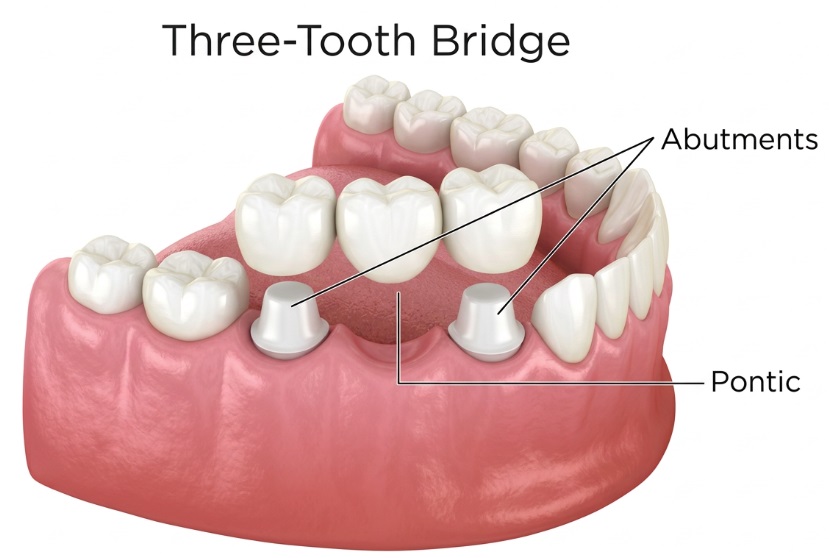
A dental bridge is a fixed dental restoration used to replace one or more missing teeth by anchoring an artificial tooth (called a pontic) to neighbouring teeth or to dental implants. At Archer Dental, dental bridges are designed to restore chewing ability, speech clarity, bite balance, and smile appearance for patients across Toronto.
A bridge literally closes the gap created by missing teeth. It is one of the most effective fixed alternatives to removable dentures and can often be completed faster than implant treatment when surrounding teeth already require crowns.
Dental bridges are commonly recommended when patients have lost one tooth, two adjacent teeth, or several teeth in the same section of the mouth.
What Is a Dental Bridge?
A dental bridge uses one or more artificial teeth supported by adjacent teeth called abutment teeth. In many cases, the supporting teeth are reshaped and covered with crowns to securely hold the bridge in place.
A bridge may also be supported by implants when natural teeth are not ideal anchors.
Modern bridges are fabricated from:
- Porcelain
- Porcelain fused to metal
- Zirconia
- Composite-based restorative materials
The material selected depends on bite force, location in the mouth, cosmetic goals, and long-term durability requirements.
Types of Dental Bridges Offered at Archer Dental
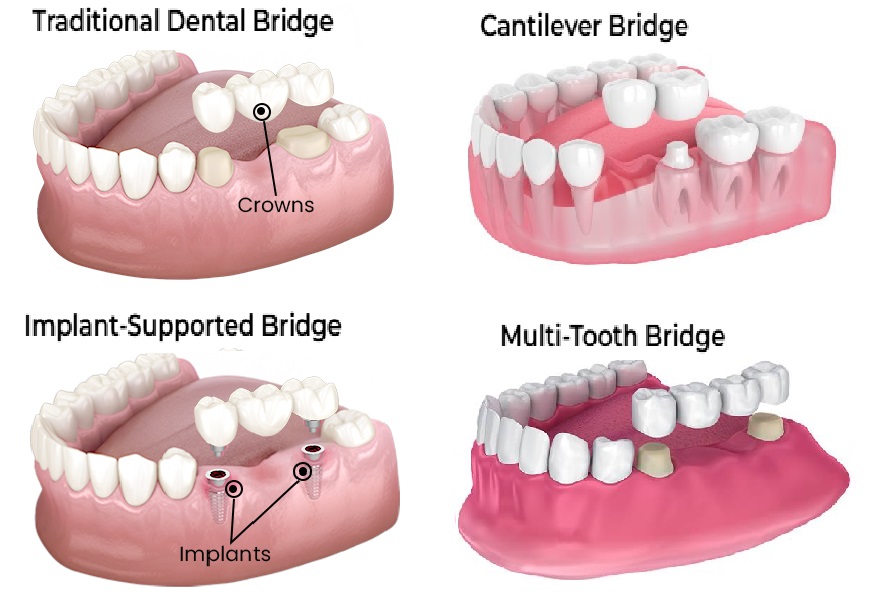
Traditional Dental Bridge
A traditional bridge uses crowns placed over natural teeth on either side of the missing tooth.
Implant-Supported Bridge
Where extra support is needed, implants may be used instead of natural teeth.
Cantilever Bridge
Used in select cases when only one adjacent tooth is available.
Multi-Tooth Bridge
Bridges can replace two, three, four, or more teeth depending on support conditions.
Cost of a 3-Unit Dental Bridge in Toronto
The average cost to replace one missing tooth using a 3-unit dental bridge at Archer Dental is approximately $3,500 plus HST.
This usually includes:
- preparation of supporting teeth
- impressions or digital scanning
- temporary bridge
- laboratory fabrication
- final placement and bite adjustment
Final cost depends on:
- bridge material
- location in the mouth
- number of teeth replaced
- whether additional treatment is needed before placement
- Insurance often reduces out-of-pocket costs significantly.
Patients choosing all-porcelain or zirconia bridges may pay more than for porcelain-fused-to-metal bridges.
Additional costs can include:
- x-rays
- anesthetic
- root canal treatment if needed
- treatment of supporting teeth
How Long Does a Dental Bridge Last?
A well-made dental bridge typically lasts 10 to 15 years, and many last longer with proper care. At Archer Dental, patients are advised that bridge longevity depends heavily on oral hygiene and regular maintenance.
A dental bridge lasts longer when patients:
- brush thoroughly around bridge margins
- floss under the bridge daily
- attend regular hygiene visits
- avoid excessive grinding or trauma
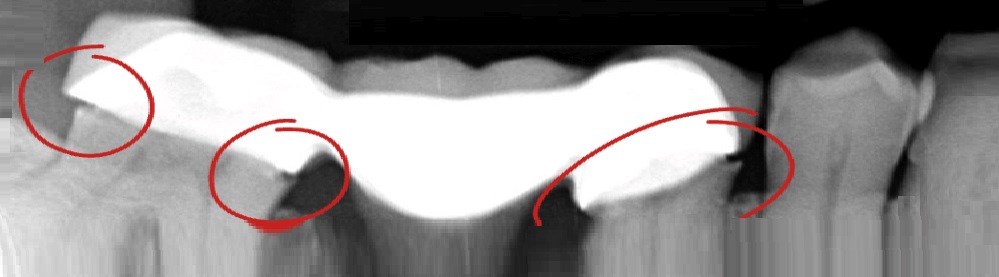
One of the most common reasons bridges fail is decay developing under the supporting crowns.
If bacteria reach the abutment teeth, those teeth may weaken and no longer support the bridge.
Can a Dental Bridge Be Removed and Reused?
In some situations, a dental bridge can be removed, but reuse is uncommon.
Most bridge removal procedures damage the restoration.
Bridges are usually replaced when:
- the bridge fractures
- the supporting teeth require treatment
- decay develops under the crowns
- bite forces change over time
Each case must be assessed individually by the dentist.
How Many Teeth Can a Bridge Replace?
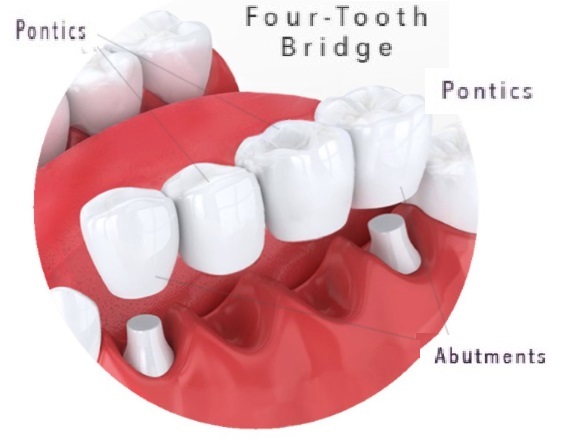
The most common bridge replaces one missing tooth using two supporting crowns.
However, bridges can replace:
- two teeth
- three teeth
- four teeth
- larger spaces with implant reinforcement
As bridge length increases, support requirements become more complex.
For larger restorations, implants are often recommended to improve long-term stability.
Are Dental Bridges Worth It?
Dental bridges remain one of the most practical fixed solutions for tooth replacement. They’re considered a worthwhile, practical, and fast fixed solution for replacing one or more missing teeth, particularly for patients seeking a non-surgical option with lower upfront costs. While dental implants are generally considered more durable and long-lasting, bridges offer a reliable, natural-looking, and quicker alternative, completed in two to three appointments over two weeks.

Dental Bridges Prevent Tooth Drift
When a tooth is missing, neighbouring teeth often shift.
This can cause:
- bite misalignment
- uneven chewing
- jaw strain
- increased risk of TMJ symptoms
- Bridges help maintain tooth position.
Dental Bridges Restore Chewing Strength
A fixed bridge allows patients to eat comfortably, including firmer foods.
Dental Bridges Improve Speech and Confidence
Missing teeth can affect pronunciation and reduce confidence when speaking, and smiling. A properly designed porcelain bridge is highly natural in appearance and goes unnoticed, improving confidence.
Dental Bridge vs Dental Implant
A dental bridge may be preferred when:
- adjacent teeth already need crowns
- faster treatment is desired
- implant placement is not ideal medically or anatomically
A dental implant may be preferred when neighbouring teeth are healthy.
At Archer Dental, treatment recommendations are individualized after examination and imaging.
Where Can Patients Get Dental Bridges in Toronto?
Archer Dental Clinics in Toronto
Dental bridges, and restorative dentistry in general happens regularly at Archer Dental Rosedale , Archer Dental Little Italy and Archer Dental Baby Point. The same level of expertise and gentle care is provided at all three clinics.

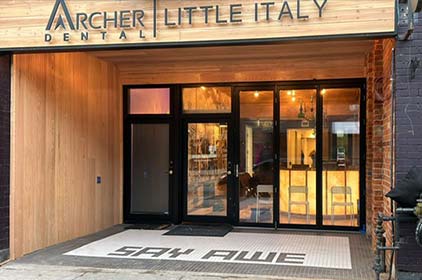

At each Archer Dental clinic, experienced dentists, dental hygienists, and dental assistants perform restorative dentistry, using modern techniques with strict infection control. Each clinic provides restorative consultations and treatment planning for missing teeth. At Archer Dental. every location offers the same commitment to patient comfort, advanced technology, and long-term dental care.
Frequently Asked Questions
How much does a dental bridge cost without insurance?
A dental bridge for a single tooth (a three-tooth bridge) generally costs approximately $3500. This price is only an estimate, as total costs vary based on the complexity of the operation, materials used, and insurance coverage. More complex cases involving more teeth or materials like zirconia can increase the price, often ranging between $2,000 and $5,000 for a 3-tooth bridge in Ontario. Additional fees might include the costs for X-rays, anesthesia, and preparatory treatments. Dental implant-supported bridges are also available, which typically cost more.
Is a dental bridge better than an implant?
No. Dental implants are generally considered superior to bridges for long-term oral health, durability (lasting 20+ years), and bone preservation, often functioning like natural teeth. Bridges are faster however and typically cheaper upfront. They might be considered ideal if neighboring teeth already need crowns. They last 5–15 years and require altering adjacent teeth. Implants require sufficient jawbone density, but do not require support from neighboring teeth. Bridges put extra strain on supporting teeth, which can lead to decay or damage in the long term. Implants are easier to clean (regular brushing/flossing), while bridges require special cleaning techniques to manage under the bridge. Bridges are less expensive initially and require fewer, shorter appointments. Implants are more expensive up front but often provide better long-term value.
Can a bridge replace two missing teeth?
Yes, a dental bridge is a common and effective solution to replace two (or more) missing teeth in a row. Such a bridge would typically use two healthy adjacent teeth, one on each side of the gap, to anchor a prosthetic piece that fills the empty space. This is a stable, fixed remedy, meaning it’s a non-removable solution. A four-tooth bridge requires two dental crowns be placed on anchoring teeth, with two artificial teeth (pontics) in between. The adjacent teeth must be strong and healthy enough to support the added pressure.
Does a bridge feel natural?
Yes, a dental bridge generally feels natural and comfortable once adjusted, typically taking one to two weeks for the gums and teeth to heal and adapt. Designed to mimic the color, shape, and stability of natural teeth, bridges securely fill gaps and enable comfortable eating and speaking.
How do I clean under a dental bridge?
Special floss threaders or bridge floss are recommended.
Book a Dental Bridge Consultation at Archer Dental
If you are missing one or more teeth and want a fixed replacement option, Archer Dental can assess whether a dental bridge is the right solution.
A consultation includes:
- examination
- digital imaging
- discussion of bridge vs implant options
- treatment estimate
Patients from across Toronto visit Archer Dental for restorative solutions designed for durability, comfort, and natural appearance.