
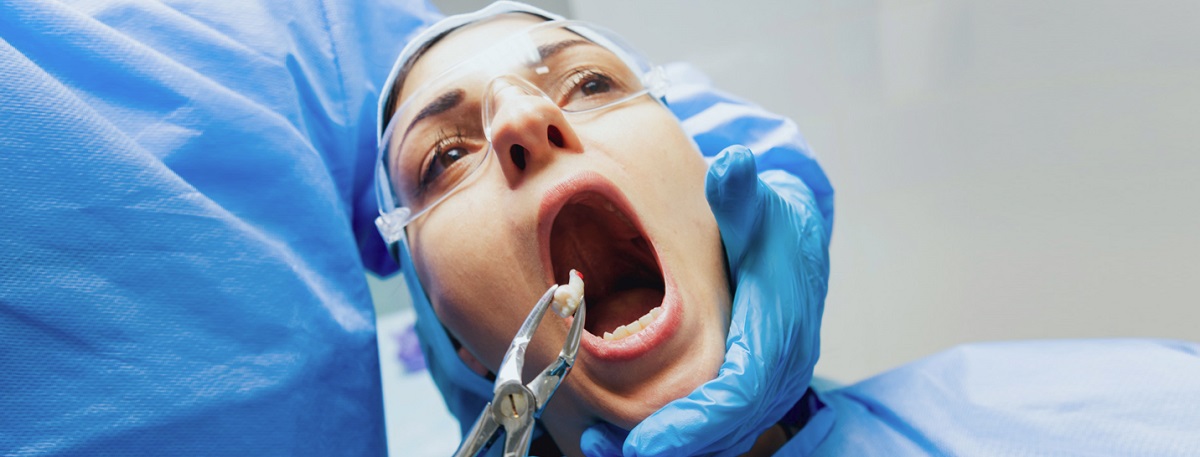
Archer Dental provides wisdom tooth consultation and extraction for impacted and erupted teeth at three Toronto locations. Our team offers sedation options, same-week appointments, and comprehensive post-op care to ensure a safe and comfortable experience. Book an assessment at Baby Point, Little Italy, or Rosedale today.
What Are Wisdom Teeth and Why Do We Have Them?
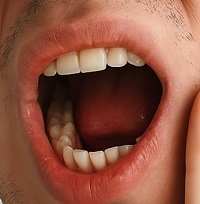
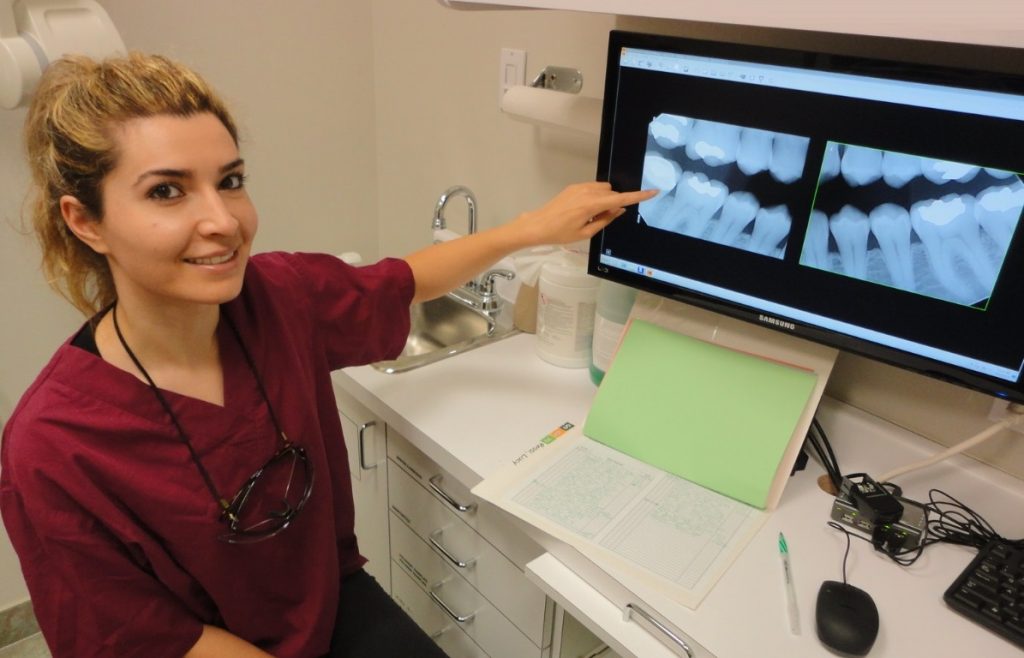
Wisdom teeth are the final set of adult molars which everyone gets when they’re between the age of 17 and 25 years old. Their late appearance, when people are older and wiser, is how they get their name. In our western culture, it could be argued that surviving the experience creates wisdom. Below is Cody, one of our regular patients showing us full adult dentition. Cody is one of the lucky few who was born with a big enough mouth to accommodate all 32 permanent teeth.

Why do we have them? Early humans needed their extra molars as backup teeth because they had a course diet of tough meat, roots, and raw plant material. Masticating (chewing) uncooked food everyday wore down earlier teeth through constant use. But those days are over; diets are much softer today and our human jaws are shrinking. Wisdom teeth are an unnecessary ‘throw-back’ to earlier times and can cause problems in our genetically smaller mouths when they attempt to erupt.
Why Do Wisdom Teeth Need To Be Removed?
When wisdom teeth cannot fully erupt through the gums or grow in the correct position, they become impacted and can cause a range of oral health problems which require removal.
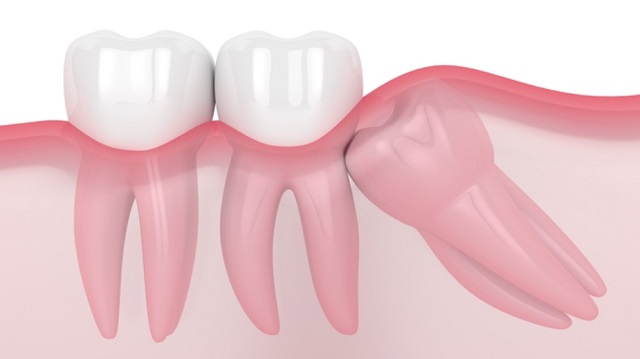
Impacted wisdom teeth occur when the tooth is blocked by bone, gum tissue, or other teeth, preventing normal eruption. Impaction can be partial (the tooth breaks through the gum but doesn’t fully emerge) or complete (the tooth remains entirely beneath the gum line). Impacted teeth can grow at various angles—tilting toward the second molar, angling backward, or even growing horizontally—creating pressure and damage to surrounding structures.
Tooth crowding and misalignment develop when wisdom teeth push against neighboring teeth as they attempt to erupt. This pressure can shift your bite, undo previous orthodontic work, and cause alignment issues throughout your smile. Removing wisdom teeth before they fully develop often prevents these complications.
Infection and pericoronitis can occur when a wisdom tooth partially erupts, leaving a flap of gum tissue that traps food particles and bacteria. The situation creates an ideal environment for infection, leading to pericoronitis, which is a painful inflammation of the gum tissue around the partially erupted tooth. Symptoms include swelling, pain, bad taste, difficulty opening your mouth, and fever. Recurrent pericoronitis is a strong indication for extraction.
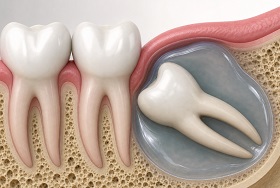
Cyst and tumor formation can occur around impacted wisdom teeth when the tooth remains trapped in the jawbone. The tooth develops inside a fluid-filled sac, and if this sac becomes infected or continues to grow, it can form a cyst that damages the jawbone, teeth, and nerves. While rare, tumors can also develop around impacted wisdom teeth, requiring surgical removal of both the tooth and affected tissue.
Damage to adjacent teeth happens when an impacted or angled wisdom tooth presses against the second molar. This constant pressure can cause root resorption, weaken the adjacent tooth structure, increase the risk of decay where the teeth touch, and lead to eventual bone loss around both teeth.
Tooth decay and gum disease are more likely to develop around wisdom teeth because they sit so far back in the mouth that they’re difficult to clean properly. Even when partially erupted, wisdom teeth create pockets where bacteria accumulate, increasing the risk of cavities in both the wisdom tooth and the neighboring molar. Gum disease often develops in these hard-to-reach areas, potentially spreading to other teeth if left untreated.
If you are between the age of 17 and 25 and are experiencing pain, swelling, infection, then it’s likely due to wisdom teeth eruption. Don’t hesitate to contact any Archer Dental clinic where we can do the proper imaging to discover potential impaction or improper positioning. Extraction is not always necessary, as we see above with Cody, but wisdom teeth removal is often the most effective way to prevent future complications and protect your long-term oral health.
Why Choose Archer Dental for Wisdom Teeth Removal?

Led by Dr. Natalie Archer, our CEO and Founder, Archer Dental operates three full-service clinics across Toronto, in Baby Point, Little Italy, and Rosedale, for your convenience. While our experienced dentists perform everything from routine extractions to complex surgical removal of impacted teeth, oral surgery specialists are also available in our offices. We offer multiple sedation options to ensure your comfort, from local anesthesia and nitrous oxide to IV sedation for anxious patients or complicated cases. Before your procedure, our dental admin staff provide transparent pricing and work with most insurance providers to help you understand your coverage and payment options. Our dental team of dentists, dental hygienists, and administrative staff treat every patient like family, taking time to answer questions and ensure you feel informed and comfortable at every step. Book a wisdom teeth removal consultation today and experience the patient-centered care that so many Toronto families trust.
Signs You May Need Wisdom Teeth Removal
You may need wisdom teeth removal if you notice ongoing pain or pressure at the back of your mouth plus signs of infection or crowding like swelling, bad taste, or difficulty opening your jaw.
Key symptom-based signs
- Jaw pain – Common early sign of impacted or erupting wisdom teeth, often dull, throbbing, or pressure-like at the very back of the jaw.
- Swelling – Local swelling around the back gums or along the jaw usually points to inflammation or infection around a partially erupted tooth.
- Tenderness – Sore, sensitive gums at the back, especially when chewing or brushing, strongly suggest gum irritation, infection, or impaction.
- Bad taste in the mouth – Often from trapped food, pus, or bacterial buildup around the gum flap over a wisdom tooth; a classic indicator that the area is infected or impossible to keep clean.
- Difficulty opening the mouth – Reduced jaw opening (trismus) is frequently linked to impacted or infected wisdom teeth irritating jaw muscles and joints.
- Headaches – Tension from clenching against painful teeth or from jaw strain caused by erupting wisdom teeth can provoke recurring headaches.
- Gum inflammation – Red, swollen, bleeding tissue around the back molars is a strong sign of wisdom tooth–related gum disease or localized infection.
Other important warning signs
- Crowding or shifting teeth at the front of your mouth, or new overlapping of lower incisors as wisdom teeth push forward.
- Reoccurring infections around the same back tooth, often needing repeated antibiotics or rinses.
- Cysts around wisdom teeth seen on X‑rays, which can damage bone and nearby roots if not treated.
What to Expect at a Wisdom Teeth Removal Consultation
At a wisdom teeth removal consultation, patients can expect a more focused oral exam of their mouth and jaw plus detailed imaging (panoramic X‑ray and sometimes CBCT) so our dentist can map out a safe, personalized treatment plan.
What actually happens at the consultation?
A typical wisdom teeth consultation includes medical history review, dental examination, diagnostic imaging, impaction risk assessment, and then a custom treatment plan discussion. Dr. Natalie Archer will say, “we start by understanding you, your teeth, and your treatment options.” Archer Dental staff will make you comfortable, and speak with clarity as they share their evidence, so you can make informed decisions.
Medical and dental history review
An experienced dentist will review your health conditions, medications, allergies, and any prior surgeries to keep you safe during anesthesia and surgery. We’ll inquire about your symptoms and if you are experiencing, jaw pain, swelling, bad taste, difficulty opening your mouth, or headaches. We’ll ask how long these symptoms have been present and then correlate your story with our dental imaging.
Comprehensive dental examination
Our dentist will examine your mouth, gums, and bite, to check for tenderness at the back of the jaw, gum inflammation, or signs of infection around partially erupted wisdom teeth. We’ll assess jaw movement and any limitations in opening, which can hint at deeper impactions or muscle involvement.
Panoramic X‑ray as the baseline
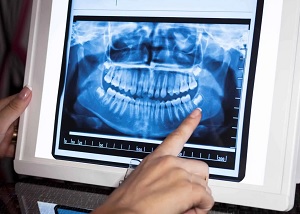
A panoramic X‑ray (full‑mouth “wraparound” image) is the standard first imaging step to see all wisdom teeth, their roots, and nearby nerves and sinuses in one view.
CBCT 3D imaging when needed. For complex cases like deep impactions, unusual root shapes, or roots close to the nerve, our dentist may order a CBCT (cone beam CT) scan to create a 3D view of the area. This extra layer of imaging helps plan safer surgery, minimize nerve risk, and anticipate bone removal or sectioning of the tooth.
Impaction and risk assessment
Using the exam plus imaging, our dentist classifies each wisdom tooth: fully erupted, partially erupted, or impacted (trapped in bone or gum), and notes its angle and proximity to nerves and adjacent teeth. We’ll evaluate risks like infection, cysts, damage to neighbouring teeth, or future crowding and then decide whether monitoring or removal is the safest route.
Questions, costs, and next steps
The consultation ends with time for questions about risks, benefits, recovery, and how to prepare, plus a transparent discussion of fees and insurance coverage. Patients leave with written pre‑operative instructions (fasting, transportation, medications, and home‑care setup) so they feel prepared and supported.
Sedation and Comfort Options
Archer Dental offers multiple sedation options to ensure your wisdom teeth removal is as comfortable and anxiety-free as possible. The right choice depends on the complexity of your extraction, your anxiety level, and your personal preferences. Your dentist will help you select the most appropriate option during your consultation.
Local Anesthesia
Local anesthesia is used for all wisdom teeth extractions and completely numbs the treatment area so you feel no pain during the procedure. The anesthetic is injected directly into the gum tissue around the tooth, blocking sensation in that specific area while you remain fully awake and aware. Local anesthesia alone works well for straightforward extractions and patients who are comfortable remaining conscious throughout the procedure. You’ll feel pressure and movement but no pain, and the numbness typically wears off within a few hours after your appointment.
Nitrous Oxide (Laughing Gas)
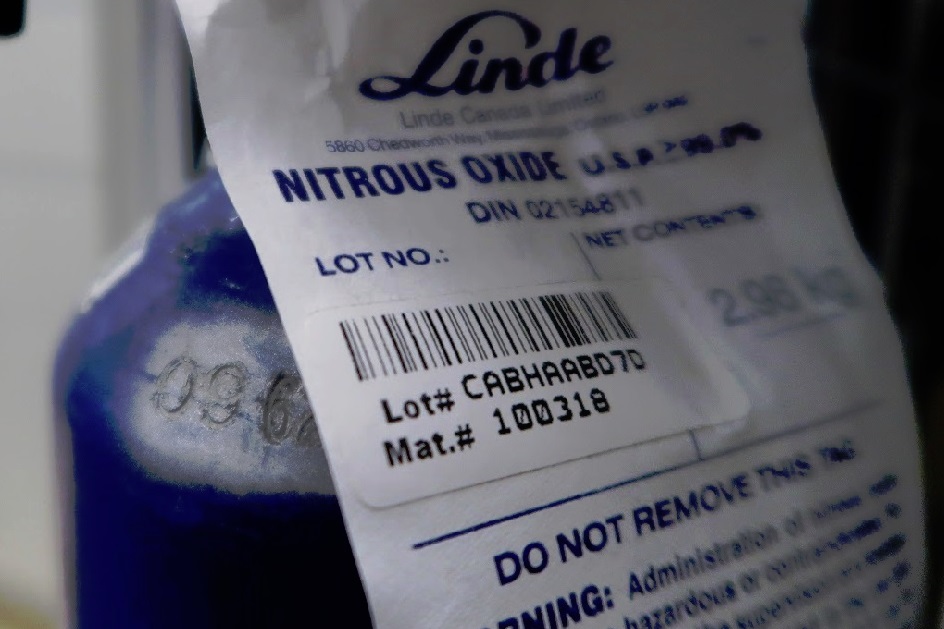
Nitrous oxide, commonly known as laughing gas, is a mild sedation option that helps you feel calm and relaxed during your extraction. The gas is inhaled through a small mask placed over your nose, creating a pleasant, light-headed sensation that reduces anxiety while keeping you fully conscious and able to respond to instructions. Nitrous oxide is ideal for patients with mild to moderate dental anxiety who want to remain aware but need help relaxing. The effects wear off within minutes after the mask is removed, allowing you to drive yourself home and resume normal activities the same day.
Oral Conscious Sedation
Oral conscious sedation involves taking a prescribed sedative pill approximately one hour before your appointment. This medication produces a deeper level of relaxation than nitrous oxide, making you drowsy and significantly reducing anxiety while still keeping you conscious enough to respond to questions. Many patients have little to no memory of the procedure afterward. Oral sedation is well-suited for moderate to severe dental anxiety, longer procedures, or patients who want minimal awareness during treatment. Because the effects last several hours, you’ll need someone to drive you to and from your appointment and stay with you until the sedation fully wears off.
IV Sedation (Conscious Sedation)
Intravenous sedation delivers medication directly into your bloodstream through a small IV line, providing deep relaxation and a twilight sleep state. You’ll remain technically conscious but extremely relaxed, with reduced awareness of the procedure and little to no memory of it afterward. IV sedation is adjustable throughout your treatment, allowing your oral surgeon to customize the sedation level to your needs. This option is recommended for complex extractions, multiple impacted teeth, severe dental anxiety, or patients with a strong gag reflex. You’ll need to arrange transportation home and have someone monitor you for several hours as the medication wears off.
Choosing the Right Option for You
During your consultation, our dentist will review your medical history, anxiety level, the complexity of your extraction, and your personal preferences to recommend the safest and most effective sedation approach. Factors that influence the recommendation include whether your wisdom teeth are impacted, how many teeth require removal, your previous dental experiences, and any medical conditions that may affect sedation safety.
All sedation options are administered by trained professionals who monitor your vital signs throughout the procedure to ensure your safety and comfort. Whether you choose minimal relaxation with nitrous oxide or deeper sedation with IV medication, Archer Dental’s team will ensure your wisdom teeth removal is as stress-free as possible.
The Wisdom Teeth Removal Procedure
Wisdom teeth removal is a common oral surgery procedure that typically takes 45 to 60 minutes, depending on how many teeth are being extracted and the complexity of each case. Understanding what happens during the procedure can help reduce anxiety. Our dentist will walk you through each step before beginning treatment.
Anesthesia Administration
The procedure begins with administering your chosen anesthesia to ensure you remain comfortable throughout the extraction. Local anesthesia is applied first in all cases to numb the gums and tooth area, blocking pain signals while keeping you awake. If you’ve selected nitrous oxide, oral sedation, or IV sedation, this is administered before or alongside the local anesthetic to help you relax and reduce awareness of the procedure. Your vital signs are monitored continuously throughout the surgery to ensure your safety.
Accessing the Tooth
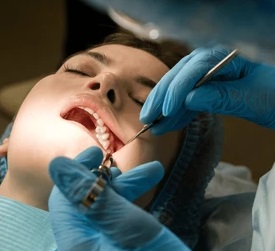
For fully erupted wisdom teeth that have already broken through the gum line, our dentist can proceed directly to loosening and removing the tooth. However, if your wisdom tooth is partially or fully impacted beneath the gum tissue, a small incision is made in the gum to expose the tooth and surrounding bone. This incision allows our surgeon to visualize the entire tooth, assess its position, and plan the safest removal approach. In some cases, a small amount of bone covering the tooth may need to be removed to provide better access to the impacted tooth.
Tooth Sectioning
If your wisdom tooth is impacted at an angle, positioned horizontally, or has curved or complex roots, your surgeon may divide the tooth into two or three smaller sections before removal. This technique, called tooth sectioning, makes extraction safer and easier by allowing the tooth to be removed in pieces rather than forcing out the entire tooth in one movement. Your surgeon uses specialized dental instruments or piezoelectric devices to carefully section the tooth while protecting the surrounding bone, nerves, and adjacent teeth.
Tooth Removal
Once the tooth is accessible—either as a whole or sectioned into parts—your dentist uses an instrument called an elevator to gently loosen the tooth from its socket by rocking it back and forth. This process gradually breaks the periodontal ligament fibers that hold the tooth in place. After the tooth is sufficiently loosened, dental forceps are used to carefully lift and remove the tooth or tooth sections from the socket. You may feel pressure and pulling sensations during this step, but you should not experience pain due to the anesthesia.
Cleaning and Closure
After the tooth is completely removed, our dentist will thoroughly cleans the extraction site to remove any remaining tooth fragments, bone debris, or infected tissue. The socket is irrigated with sterile saline solution to reduce the risk of infection. If an incision was made in the gum tissue, dissolvable stitches are placed to close the wound and promote faster healing. These stitches are biodegradable and will dissolve on their own within seven to ten dayy. In some cases, your surgeon may place a small piece of gauze over the extraction site and ask you to bite down gently to control bleeding and encourage clot formation.
Immediate Post-Procedure
Once all extractions are complete and the surgical sites are closed, you’ll be moved to a recovery area where staff will monitor you as the anesthesia begins to wear off. If you received only local anesthesia or nitrous oxide, you’ll be able to leave within a few minutes once the bleeding is controlled. If you had oral sedation or IV sedation, you’ll need to rest for 20 to 30 minutes until you’re alert enough to leave with your designated driver. Our dentist will provide detailed aftercare instructions, prescriptions for pain medication if needed, and information about what to expect during recovery.
What You’ll Feel During the Procedure
Even though you’re awake during the procedure if you choose local anesthesia alone, you should not feel any sharp pain. You may feel pressure, pushing, or tugging sensations as your dentist works to loosen and remove the tooth, and you might hear cracking or popping sounds—these are normal and do not indicate that anything is wrong. If you feel pain at any point during the extraction, tell your dentist immediately so they can administer additional anesthetic to keep you comfortable.
The wisdom teeth removal procedure is a well-established, safe surgery that our team performs routinely. Whether your case involves a simple extraction of fully erupted teeth or surgical removal of complex impacted teeth, you’ll receive expert care tailored to your specific situation.
Wisdom Teeth Removal is an almost Universal Shared Experience
In North America, wisdom teeth removal is almost inevitable and has become a shared coming-of-age experience, a medical milestone that marks the transition from adolescence to adulthood. Nearly 85% of people will eventually need their wisdom teeth removed, making the procedure as common as getting a driver’s license or graduating high school. The cultural significance of wisdom teeth removal runs so deep that it’s been featured in countless TV shows, movies, and viral videos documenting the hilariously disoriented state of patients recovering from sedation.

One of the most memorable portrayals appears in The Middle episode “The Wisdom Teeth,” where Frankie plans to care for his siblings when their wisdom teeth are removed, but nothing goes as planned.
Recovery and Aftercare
Proper aftercare is essential for a smooth, comfortable recovery after wisdom teeth removal. Most patients heal without complications when they follow post-operative instructions carefully. Understanding what to expect during each stage of recovery helps you plan your schedule, manage discomfort, and recognize when something needs medical attention.
Immediate Recovery (First 24 Hours)
The first day after your extraction is the most critical for preventing complications. Bite down gently on the gauze pads placed over your extraction sites for 30 to 45 minutes to control bleeding and encourage blood clot formation. Change the gauze every 30 minutes if bleeding continues, but some oozing mixed with saliva is normal for the first 12 to 24 hours. Rest with your head elevated on pillows to minimize swelling, and avoid lying completely flat. Apply ice packs to your cheeks in 20-minute intervals (20 minutes on, 20 minutes off) during the first 24 hours to reduce swelling and numb discomfort.
Do not rinse your mouth, spit forcefully, use straws, smoke, or drink alcohol for at least 72 hours after surgery, as these activities can dislodge the protective blood clots and cause painful dry socket. Take prescribed or over-the-counter pain medication as directed before the numbness wears off, and stay hydrated by sipping water frequently.
Pain and Swelling Management (Days 1-5)
Discomfort typically peaks on the second or third day after extraction, then gradually improves. Most patients describe the pain as a dull ache or throbbing sensation rather than sharp pain, and it’s manageable with ibuprofen (Advil, Motrin) or prescribed pain medication. Take medication on schedule during the first few days rather than waiting until pain becomes severe.
Swelling is a normal part of healing and usually peaks around day three before subsiding. Continue using ice packs for the first 48 hours, then switch to warm, moist compresses on days three through five to promote circulation and reduce residual swelling. Your cheeks may look puffy and feel tight, and you may experience jaw stiffness that makes it difficult to open your mouth fully—this is temporary and improves as healing progresses.
Diet and Nutrition
For the first 24 to 48 hours, eat only soft, cool foods that require no chewing: yogurt, applesauce, smoothies (no straws), mashed potatoes, pudding, ice cream, protein shakes, and lukewarm soup. Avoid hot liquids, crunchy or hard foods, spicy foods, and anything with small seeds that can lodge in extraction sites.
Gradually reintroduce semi-soft foods like scrambled eggs, pasta, soft bread, and cooked vegetables over days three through seven as your comfort allows. By the end of the first week, most patients can eat normally, though you should still avoid very hard or chewy foods that put excessive pressure on healing tissue. Stay well-hydrated throughout your recovery, as proper hydration accelerates healing.
Oral Hygiene
Do not brush your teeth, rinse, or spit for the first 24 hours after surgery. Starting on day two, resume gentle brushing of your other teeth, carefully avoiding the extraction sites. Beginning 24 hours after surgery, rinse your mouth very gently with warm salt water (1/2 teaspoon salt in 8 ounces of water) after meals and before bed to keep the area clean without disturbing the clot. Do not swish vigorously—simply tilt your head from side to side to let the solution flow over the extraction sites.
If you were given a plastic irrigation syringe, begin using it gently after day five to flush food particles from the extraction sites, following your dentist’s instructions. Continue this gentle cleaning routine for two to three weeks until the sockets fully close.
Activity Restrictions
Avoid strenuous physical activity, heavy lifting, and exercise for at least three to five days after surgery, as increased blood pressure can trigger bleeding and slow healing. Rest as much as possible during the first 48 hours. You can return to light activity once swelling subsides and you feel comfortable, usually within a week. Most patients feel well enough to return to work or school within three to five days, though recovery varies by individual.
What’s Normal vs. When to Call
Normal healing signs include mild bleeding or pink-tinged saliva for 24 hours, moderate swelling peaking on day three, jaw stiffness, minor bruising on the face or neck, and gradually decreasing discomfort. You may notice a white or yellowish film over the extraction sites. This is granulation tissue and a healthy part of healing, not infection.
Contact Archer Dental immediately if you experience severe pain that worsens after day three (possible dry socket), heavy bleeding that doesn’t stop with pressure, fever above 101°F, difficulty swallowing or breathing, persistent numbness lasting more than 24 hours, or pus discharge from the extraction sites. These symptoms may indicate complications requiring prompt treatment.
Long-Term Healing
While you’ll feel mostly recovered within a week, complete bone and soft tissue healing takes four to six weeks. The extraction sites gradually fill in with new tissue and bone, and any stitches dissolve on their own within seven to ten days. Avoid poking at the healing sites with your tongue or fingers, as this can delay healing or introduce bacteria.
Your dentist will schedule a follow-up appointment one to two weeks after surgery to check your healing progress and ensure no complications have developed. If you have any questions or concerns during your recovery, don’t hesitate to contact our office—we’re here to support you through every stage of healing.
Cost of Wisdom Teeth Removal in Toronto
The cost of wisdom teeth removal in Toronto varies based on the complexity of your case, the number of teeth being removed, and the type of sedation you choose. Understanding the factors that affect pricing helps you plan for the procedure and make informed decisions about your oral health care.
Average Cost Per Tooth
At Archer Dental, wisdom teeth removal typically costs between $200 and $800 per tooth, depending on whether the tooth is fully erupted or impacted and how difficult the extraction will be. Simple extractions of fully erupted wisdom teeth that have broken through the gum line fall at the lower end of this range, while surgical removal of impacted teeth requiring incisions, bone removal, and tooth sectioning costs more due to the increased complexity and time required.
Factors That Affect Cost of Wisdom Teeth Removal
Several clinical factors determine the final cost of your wisdom teeth removal:
- Eruption status: Fully erupted teeth are easier to remove and less expensive, while partially or fully impacted teeth require surgical techniques that increase the cost.
- Impaction complexity: The Ontario Dental Association fee guide categorizes impacted wisdom teeth into four levels based on surgical difficulty—from soft tissue impaction requiring only a gum incision ($325) to complex cases requiring bone removal, tooth sectioning, and management of unusual anatomical challenges ($700).
- Number of teeth removed: Removing all four wisdom teeth in a single appointment costs more upfront but is often more economical than scheduling multiple visits, and it reduces your total recovery time.
- Sedation type: Local anesthesia is included in the extraction fee, but nitrous oxide, oral conscious sedation, and IV sedation carry additional charges ranging from $100 to $500 depending on the sedation level and appointment duration.
- Diagnostic imaging: Panoramic X-rays or CBCT scans required to assess tooth position and plan the extraction may be billed separately if they’re not part of your regular dental exam.
Total Cost Examples
For context, here are typical cost scenarios for Toronto patients:
- Single erupted wisdom tooth (simple extraction): $200–$350 per tooth
- Single impacted wisdom tooth (surgical extraction): $325–$700 per tooth depending on complexity
- All four wisdom teeth (mixed eruption status, no sedation): $1,200–$2,500
- All four impacted wisdom teeth with IV sedation: $2,100–$3,000
Your dentist will provide a detailed written estimate during your consultation after examining your teeth and reviewing diagnostic images, so you know exactly what to expect before proceeding.
Dental Insurance Coverage
Most dental insurance plans in Ontario classify wisdom teeth removal as a basic service and cover 50% to 80% of the cost when the extraction is medically necessary to prevent or treat infection, pain, crowding, or damage to adjacent teeth. If your wisdom teeth are causing active problems or your dentist can document high risk for future complications, insurance approval is typically straightforward.
Coverage varies by plan, so we recommend contacting your insurance provider or asking our front desk team to verify your benefits before scheduling your procedure. Archer Dental will submit claims directly to your insurer and provide detailed treatment codes and diagnostic justification to maximize your reimbursement.
Payment Options and Financing
For patients without insurance or those whose plans don’t cover the full cost, Archer Dental offers flexible payment options to make wisdom teeth removal affordable. We accept major credit cards, debit, and can discuss payment plans for more expensive procedures. Some patients also use health spending accounts (HSAs) or flexible spending accounts (FSAs) to cover out-of-pocket costs with pre-tax dollars.
If cost is a concern, talk to our team during your consultation—we’ll work with you to find a solution that fits your budget while ensuring you receive the care you need.
Canada Dental Care Plan (CDCP)
If you qualify for the Canada Dental Care Plan based on your age and household income, some or all of your wisdom teeth removal costs may be covered. Our administrative team can help determine your eligibility and submit claims through the CDCP if you’re enrolled in the program.

Is Wisdom Teeth Removal Worth the Cost?
While the cost may seem significant, removing problematic wisdom teeth prevents more expensive complications down the road, including infections requiring emergency care, damage to neighboring molars that may eventually need root canals or crowns, orthodontic relapse from tooth shifting, and cyst or tumor formation requiring extensive oral surgery. Preventive extraction is almost always more affordable and less painful than waiting until a serious problem develops.
During your consultation, we’ll explain exactly why removal is recommended for your case, give you a transparent cost estimate, and help you understand your insurance coverage so you can make a confident decision about your oral health.
Wisdom Teeth Removal is available at Archer Dental clinics
Each local clinic has teams of dental professionals which includes a resident dentist, dental hygienists and dental assistants who are all are highly experienced at wisdom teeth removal and all related treatments. The removal surgery happens regularly at Archer Dental Baby Point, and in the downtown core at Archer Dental Rosedale and on College street at Archer Dental Little Italy. The same level of expertise and gentle care is provided at all three clinics.


At each Archer Dental clinic, experienced dentists, dental hygienists, and dental assistants perform wisdom teeth removal surgery using modern equipment and techniques.
Frequently Asked Questions about Wisdom Teeth Removal
How long does wisdom teeth removal take?
The procedure typically takes 45 to 60 minutes depending on how many teeth are being removed and whether they are impacted. Simple extractions of fully erupted teeth are faster, while surgical removal of impacted teeth takes longer due to the need for incisions and tooth sectioning. Your dentist will give you a time estimate during your consultation based on your specific case.
When should wisdom teeth be removed?
Wisdom teeth should be removed when they cause pain, infection, crowding, damage to adjacent teeth, or show signs of impaction on X-rays. Many dentists recommend removal in late teens or early twenties before roots fully develop and complications arise, as younger patients typically heal faster. However, wisdom teeth can be safely removed at any age when problems develop or preventive extraction is recommended.
Will I be awake during the procedure?
You can choose to remain awake with local anesthesia alone, which numbs the area completely so you feel no pain but remain conscious. If you prefer reduced awareness, we offer nitrous oxide, oral sedation, or IV sedation to keep you relaxed or in a twilight sleep state during the extraction. Your sedation choice depends on your anxiety level, procedure complexity, and personal preference.
How painful is wisdom teeth removal?
During the procedure you should feel no pain due to anesthesia, though you may feel pressure and tugging sensations. After the procedure, most patients experience moderate discomfort, swelling, and jaw stiffness for three to five days, which is manageable with prescribed or over-the-counter pain medication. Pain typically peaks on day two or three and then gradually improves as the extraction sites heal.
What can I eat after wisdom teeth removal?
For the first 24 to 48 hours, stick to soft, cool foods like yogurt, smoothies, applesauce, mashed potatoes, and ice cream that require no chewing. Avoid hot liquids, crunchy foods, and anything that requires sucking through a straw, as these can dislodge blood clots and cause dry socket. Gradually reintroduce semi-soft and then solid foods over the next week as your mouth heals and discomfort decreases.
How long is recovery after wisdom teeth removal?
Most patients feel well enough to return to work or school within three to five days, though some swelling and mild discomfort may persist for up to two weeks. The extraction sites fully heal and close over the course of four to six weeks, during which you should maintain gentle oral hygiene and follow all aftercare instructions. Recovery time varies based on the number of teeth removed, complexity of extraction, your age, and how well you follow post-operative care guidelines.
Can I drive home after my wisdom teeth removal?
If you receive only local anesthesia or nitrous oxide (laughing gas), you can drive yourself home immediately after the procedure once the bleeding is controlled. If you choose oral conscious sedation or IV sedation, you must arrange for someone to drive you to and from your appointment and stay with you for several hours afterward. General anesthesia also requires a responsible adult to accompany you and monitor your recovery.
What is dry socket and how do I prevent it?
Dry socket (alveolar osteitis) occurs when the blood clot protecting your extraction site becomes dislodged or dissolves prematurely, exposing the underlying bone and nerves and causing severe pain. To prevent dry socket, avoid smoking, using straws, spitting forcefully, or rinsing vigorously for at least 72 hours after surgery, and follow all aftercare instructions your dentist provides. If you develop intense throbbing pain three to four days after extraction, contact your dentist immediately for treatment.
Do all four wisdom teeth need to be removed at once?
Not necessarily. Removal depends on which teeth are causing problems or at risk for future complications. Some patients have all four removed in a single appointment to minimize recovery time and sedation costs, while others remove only symptomatic teeth or treat one side at a time. Our dentist will recommend the best approach based on your tooth positions, symptoms, age, and personal preferences.