

What Does a Dentist for Seniors Do?
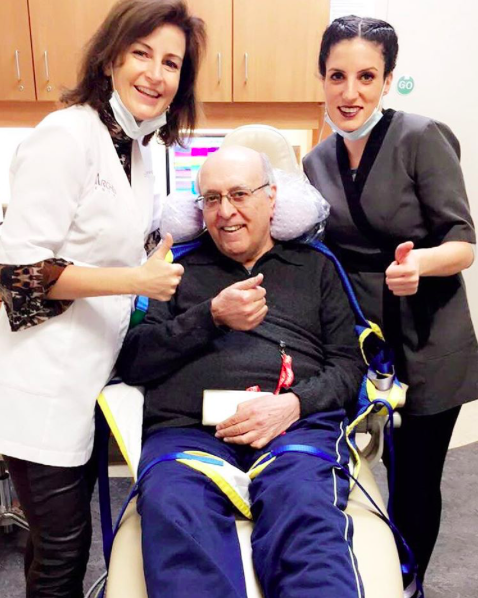
A dentist for seniors practises geriatric dentistry and provides specialized care for elderly patients focusing on preventing and treating age-related issues like gum disease, dry mouth, root decay, and tooth loss. We provide preventive cleanings, restorative treatments (fillings, crowns), dentures, and oral cancer screenings, and we have a good track record managing complex cases involving chronic health conditions.
- Preventive Care & Diagnostics: Regular cleanings to remove plaque/tartar, check-ups to screen for oral cancer, gum disease, and root caries, often with increased frequency to monitor medication-related dry mouth.
- Restorative Treatments: Repairing broken teeth, filling cavities, and treating gum disease.
- Prosthetics & Tooth Replacement: Creating and repairing removable dentures, as well as installing dental bridges and implants.
- Specialized Management: Addressing challenges like reduced manual dexterity (for brushing), treating tooth sensitivity, and managing oral health in relation to other conditions like diabetes.
- Comprehensive Care: Specialized care for patients with limited mobility or cognitive impairment.
Why Seniors Need a Dedicated Dentist
Family members who are 65 years of age and older face very different oral heath challenges than those of younger adults, which is why they benefit from seeing a dentist who focuses on seniors. As we grow older, issues like dry mouth from medications, gum disease, tooth wear, and ill‑fitting dentures become more common and can make eating, speaking, and socializing harder. Many older adults also live with chronic medical conditions, mobility limitations, or cognitive changes that require extra time, gentler approaches, and tailored treatment plans.
Archer Dental staff treats seniors every day and we understand the complexities, and challenges faced by family members and caregivers. Our dentists are willing to adapt appointments, and are trained to gently communicate with older patients. With the right senior-focused dental care, older adults are more comfortable, can maintain their nutrition, and enjoy a better quality of life.
Why Oral Health Matters More as We Age
As we get older, problems in the mouth can have a much bigger impact on daily life. Pain, loose teeth, or sore gums can make it hard to eat, speak clearly, or enjoy time with family and friends. Infection or inflammation in the mouth can also complicate existing medical conditions, including heart disease and diabetes. Seeing a dentist who understands seniors helps catch issues early, protect remaining teeth, and keep everyday tasks like eating and smiling as comfortable as possible
The Link Between Oral Health, Nutrition, and Overall Well-Being
Healthy teeth and gums are essential for chewing comfortably, which means seniors are more likely to enjoy a varied diet with the nutrients they need. When oral pain, missing teeth, or poorly fitting dentures make chewing difficult, many older adults switch to softer, less nutritious foods or eat less overall. Over time, this can lead to weight loss, low energy, and slower healing. By keeping the mouth comfortable and functional, good dental care supports better nutrition, more strength, and a higher quality of life.
Common Age-Related Changes in the Mouth
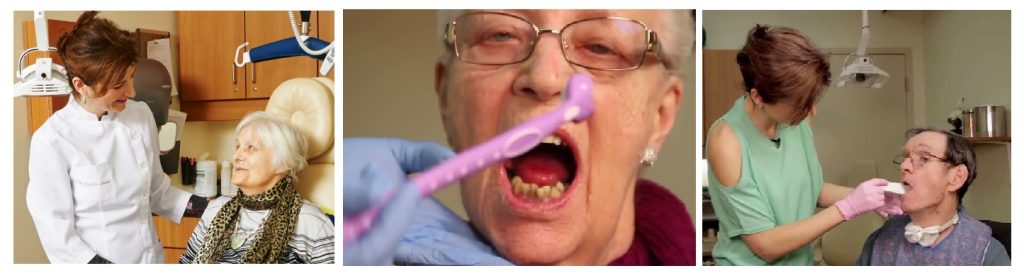
Aging can bring predictable changes in the mouth that increase the risk of dental problems. Many seniors experience dry mouth from medications, thinner and more delicate oral tissues, receding gums, or teeth that are more worn and sensitive. Existing dental work, like fillings or crowns, may also start to break down after many years of use. A dentist for seniors understands these changes, monitors them closely, and adjusts treatment and home-care recommendations to protect comfort and prevent small issues from becoming bigger problems.
Common Oral Health Problems in Older Adults
Many older adults live with dental issues that develop slowly over time and are easy to overlook until they start to cause pain or difficulty eating. Age itself is not the problem, but years of wear, medical conditions, and medications can all raise the risk of tooth decay, gum disease, dry mouth, and even oral cancer. A dentist who focuses on seniors understands these patterns and looks for early warning signs at every visit, so problems can be treated while they are still small and more comfortable to manage.
Tooth Decay and Root Caries in Seniors
Tooth decay is common in seniors, especially along the root surfaces where gums have receded and the tooth is less protected. These “root caries” can develop quickly, sometimes under old fillings, crowns, or along the gum line where they are hard to see at home. Left untreated, decay can lead to toothaches, infections, and fractured teeth that become difficult or costly to save. Regular checkups, fluoride treatments, and personalized home‑care routines help reduce this risk and keep natural teeth healthier for longer.
Gum Disease and Tooth Loss
Gum disease often progresses quietly, with few symptoms until it is fairly advanced. In older adults, long‑standing plaque buildup, smoking history, dry mouth, or poorly fitting dentures can all aggravate the gums and supporting bone. Over time, this inflammation can cause gums to pull away from the teeth and bone to shrink, increasing the chance of loose or lost teeth. Gentle professional cleanings, gum therapy when needed, and clear home‑care coaching are key to protecting both gum health and the stability of the smile.
Dry Mouth (Xerostomia) and Medication Side Effects

Many seniors take multiple medications for heart health, blood pressure, mood, or sleep, and a common side effect is reduced saliva flow. Saliva is the mouth’s natural defense system; when it is reduced, teeth are more prone to decay, gums can feel sore, and dentures may rub and cause irritation. Dry mouth can also make eating, swallowing, and speaking less comfortable. A dentist for seniors can identify medication‑related dry mouth, suggest saliva‑supporting strategies or products, and adjust preventive care to better protect teeth and soft tissues.
Oral Cancer Risk in Seniors
The risk of oral cancer increases with age, which is why routine screening is especially important for older adults. Many early changes in the mouth are painless and easy to miss at home, such as small sores, red or white patches, or unexplained lumps. During a senior‑focused dental exam, the dentist carefully checks the cheeks, tongue, lips, and throat for anything unusual. Catching these changes early can make treatment more effective and offers seniors and their families greater peace of mind.
How Archer Dental Adapts Care for Older Adults
At Archer Dental, we understand that visiting the dentist can feel very different in our later years, so we take extra steps to make care safer, calmer, and more comfortable for seniors. Our team is experienced in working with older adults who may have medical conditions, mobility challenges, or past dental anxieties. Every visit is designed to move at the patient’s pace, with clear explanations, gentle techniques, and support for family members or caregivers who attend the appointment
Comprehensive Senior Dental Exams and Oral Cancer Screening
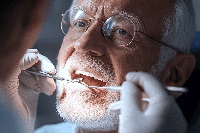
Senior-focused exams at Archer Dental go beyond a quick look at the teeth. We carefully assess the gums, existing dental work, bite, dentures or partials, and the soft tissues of the cheeks, tongue, and throat. Oral cancer screening is part of every comprehensive exam, so any unusual sores, lumps, or color changes can be identified as early as possible. This thorough approach helps us catch problems sooner, when treatment is simpler and more comfortable.
Reviewing Medical History, Medications, and Mobility
Before planning any treatment, our team takes time to understand each patient’s overall health. We review medical conditions, current medications, and any history of hospitalizations or surgeries, as well as mobility or balance concerns. This information helps us choose the safest treatment options, adjust appointment length and positioning in the chair, and coordinate with physicians or caregivers when needed. The goal is to provide dental care that fits smoothly and safely into each senior’s wider health picture.
Calmer, Slower Appointments and Anxiety Management
Many older adults feel anxious in the dental chair, especially if they have had difficult experiences in the past or find it hard to sit for long periods. At Archer Dental, appointments for seniors are scheduled with extra time so there is no rush, plenty of breaks, and room for questions. We use gentle techniques, calming communication, and simple relaxation strategies to help ease worries. When appropriate, we can also discuss additional comfort options so that even nervous patients feel more at ease receiving the care they need.
Preventive Dental Care for Seniors
Preventive care is one of the most effective ways for seniors to avoid painful dental problems and more extensive treatments. Regular visits allow the dental team to gently remove buildup, monitor changes in the mouth, and adjust home-care advice as needs evolve. By staying ahead of issues like decay, gum disease, and dry mouth, older adults can protect their comfort, preserve their teeth, and maintain confidence in their smile.
Professional Cleanings and Fluoride for Cavity Prevention
Professional cleanings are especially important for seniors because plaque and tartar tend to accumulate more quickly as brushing and flossing become harder to do perfectly at home. During a visit, the dental hygienist carefully removes buildup above and below the gumline, helping to reduce inflammation and keep the gums healthier. Fluoride treatments or prescription-strength fluoride products may also be recommended to strengthen tooth surfaces and lower the risk of new cavities and root decay.
At-Home Oral Hygiene Tips for Older Adults
Good daily habits between visits make a big difference in how comfortable the mouth feels. For many seniors, that means brushing at least twice a day, cleaning carefully along the gumline, and using tools like floss holders, interdental brushes, or water flossers if traditional floss is difficult to manage. Rinsing with water after snacks, staying hydrated, and following specific instructions for dentures or partials all help keep the mouth cleaner. When needed, caregivers can be shown simple techniques to support these routines.
Choosing the Right Toothbrush, Toothpaste, and Aids
Using the right tools can make oral care easier and more effective for older adults. A soft-bristled or electric toothbrush with a larger handle can be more comfortable to grip and gentler on the gums. Toothpastes with fluoride and, when appropriate, formulas designed for sensitive teeth or dry mouth can provide extra protection and comfort. Your dental team can also recommend helpful aids—such as denture brushes, cleaning tablets, saliva-supporting gels, or mouth rinses—based on each senior’s specific needs and abilities.

Dentures, Missing Teeth, and Chewing Comfort
Missing teeth or uncomfortable dentures can make it hard for seniors to enjoy their favourite foods and maintain good nutrition. Soreness, rubbing, or slipping can also affect confidence when speaking or smiling. With the right fit and support, dentures and other tooth-replacement options can restore chewing function, protect remaining teeth, and make everyday meals more comfortable and enjoyable.
New Dentures, Relines, and Adjustments
Over time, the shape of the gums and jawbone changes, which means older dentures may no longer sit as securely as they once did. At Archer Dental, we can design new full or partial dentures, as well as reline or adjust existing ones so they fit more snugly and feel more stable. Fine-tuning the bite, smoothing pressure points, and checking how the dentures work during chewing all help reduce sore spots and improve day‑to‑day comfort.
Caring for Dentures and Partial Dentures
Well-cared-for dentures last longer and are much more comfortable to wear. Seniors should remove their dentures daily for cleaning, brushing them gently with a dedicated denture brush and non-abrasive cleanser, and soaking them overnight as directed. It is just as important to clean the gums, tongue, and any remaining teeth to keep the whole mouth healthy. Our team can demonstrate simple cleaning routines and show caregivers how to help, so dentures stay fresher and fit better.
Options for Replacing Missing Teeth
Not every senior wants or needs a full set of dentures; there are several ways to replace missing teeth depending on health, budget, and personal preference. Options can include partial dentures, bridges that attach to neighbouring teeth, or implant-supported solutions that offer extra stability. During a consultation, we discuss the pros and cons of each approach, focusing on what will provide the best mix of comfort, chewing ability, and ease of care for each individual.
Dental Care for Seniors With Mobility or Cognitive Challenges
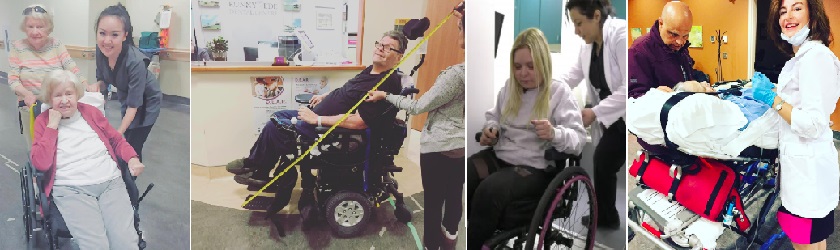
Some older adults face extra barriers to getting the dental care they need, whether it is difficulty walking, using a wheelchair, or living with memory or thinking changes. These challenges should never be a reason to miss out on a comfortable, healthy mouth. At Archer Dental, we plan ahead, adapt our space and our approach, and work closely with families so that every senior can receive respectful, safe, and effective treatment.
Wheelchair-Friendly and Accessible Dental Visits
We welcome patients who use wheelchairs, walkers, or other mobility aids and ensure that getting into and around the clinic is as smooth as possible. Our team allows extra time for transfers, positioning, and rest breaks, and we are happy to treat patients in the chair position that feels safest and most comfortable for them. Clear pathways, gentle assistance, and a calm, patient pace help reduce stress and make visits more manageable for seniors and their caregivers.
Supporting Patients With Dementia or Cognitive Impairment
Dental visits can feel confusing or overwhelming for someone living with dementia or other cognitive changes. We keep instructions simple, use familiar language, and explain each step as we go, often demonstrating first before we begin. Shorter appointments, quieter environments, and scheduling at the time of day when the person feels most settled can also make a big difference. Our goal is to maintain dignity and comfort while still providing the essential care that protects their oral and overall health.
Adapting Communication and Consent With Families
When a senior relies on family members or caregivers to help make health decisions, we take time to include them in the conversation. We review findings and treatment options in clear, straightforward terms, and encourage questions so everyone feels informed. When capacity or consent is shared with a substitute decision-maker, we follow the appropriate steps while always respecting the patient’s preferences and comfort. This team-based approach helps ensure that dental care is safe, transparent, and aligned with the senior’s overall care plan.
Guidance for Family Members and Caregivers
Family members and caregivers play a vital role in keeping a senior’s mouth healthy between dental visits. Even small daily routines can make a big difference in comfort, confidence, and the ability to eat well. With the right guidance, caregivers can spot changes early, support better hygiene, and make every dental appointment more productive and less stressful.
How Caregivers Can Help With Daily Mouth Care
Caregivers can assist by reminding and helping seniors to brush twice a day with a soft or electric toothbrush and fluoride toothpaste. For those who struggle with hand strength or coordination, using toothbrushes with larger handles, floss holders, or water flossers can make cleaning easier. It also helps to gently clean dentures, gums, and the tongue each day, and to offer sips of water regularly, especially if dry mouth is an issue. If hands-on help is needed, the dental team can demonstrate simple, respectful techniques that fit into daily routines.
Warning Signs Caregivers Should Watch For in the Mouth
Because seniors may not always notice or report changes, caregivers are often the first to see when something is wrong. Warning signs include red, swollen, or bleeding gums; sores that do not heal; bad breath that doesn’t improve with cleaning; loose or broken teeth; and dentures that suddenly rub or no longer fit well. Changes in eating habits—such as avoiding certain foods, taking much longer to finish meals, or complaining of pain—can also point to dental issues. If any of these signs appear, it is important to contact the dentist promptly rather than waiting for the next routine visit.
What to Bring to a Senior’s Dental Appointment
A well-prepared visit helps the dental team give safer and more tailored care. Caregivers should bring an up-to-date list of medications, information about medical conditions, and the contact details for the senior’s family doctor or specialists. It is also helpful to bring dentures, partials, mouthguards, or any loose dental appliances, even if they are not worn every day. Notes about recent changes in eating, behaviour, or mouth comfort can guide the conversation and ensure that the appointment addresses the issues that matter most to the senior and their family.
Senior Dental Care Costs and Ontario Coverage
Planning for dental care in later life is easier when you understand the typical costs and the coverage options available in Ontario. Seniors may rely on a mix of personal savings, private insurance, government programs, and flexible payment arrangements to manage their oral health needs. Clear information and open discussion with the dental team help ensure that recommended care fits comfortably within each person’s budget.
Regular Checkups, Insurance, and Payment Options
Regular checkups and cleanings are an investment in comfort and prevention, often reducing the need for more complex treatment later on. Some seniors have dental benefits through private insurance, retiree plans, or group coverage, while others pay directly for their visits. At Archer Dental, we review treatment options in advance, provide cost estimates, and discuss available payment arrangements so there are no surprises and families can make informed decisions.
Ontario Seniors Dental Care Program (OSDCP) Overview
For eligible low‑income seniors in Ontario, the Ontario Seniors Dental Care Program (OSDCP) can help cover many basic dental services. This publicly funded program is designed to improve access to care for older adults who might otherwise postpone or avoid treatment because of cost. While enrollment and eligibility are handled through the province and local public health units, understanding that this support exists can be an important part of planning a senior’s overall dental care.
How Archer Dental Helps Seniors Navigate Access to Care
Our team knows that the financial side of dental care can feel overwhelming, especially when health needs are changing. We take time to explain proposed treatment, outline which services may be covered by insurance or public programs, and identify alternatives when appropriate. When seniors or caregivers have questions about forms, estimates, or coordinating benefits, we are here to guide them step by step so they can focus on receiving the care they need, not just the paperwork.
Why Choose a Dentist for Seniors at Archer Dental in Toronto
Choosing a dentist for seniors means partnering with a team that truly understands the needs, concerns, and priorities of older adults. At Archer Dental in Toronto, we combine clinical expertise with a calm, welcoming atmosphere where seniors and their families never feel rushed or overlooked. From preventive care to more complex treatment, our focus is always on comfort, safety, and preserving quality of life at every stage of aging.
Experience in Senior and Long-Term Care Oral Health
Our dentists have extensive experience caring for seniors in the community and in long-term care settings, including patients with complex medical histories, mobility limitations, and cognitive changes. We are familiar with how aging, medications, and chronic conditions affect the mouth, and we tailor treatment plans to each person’s health status and goals. This background allows us to anticipate challenges, coordinate with other healthcare providers when needed, and deliver thoughtful, senior-focused dentistry that feels both respectful and reassuring.
Three Clinics with Accessible Comfort-Focused Environments
Archer Dental’s three Toronto clinics are designed to be easy to access and comfortable for older adults and their caregivers. From convenient locations and barrier-aware layouts to welcoming reception areas and gentle chairside manner, every detail is chosen to reduce stress and make visits more manageable. Whether a senior is visiting on their own or accompanied by family, they can expect clear communication, extra time when needed, and a supportive environment that treats them with the dignity and care they deserve.
Dentists for Seniors are available at Archer Dental clinics
Each clinic has teams of dental professionals; the resident dentist, dental hygienist and dental assistants are highly experienced helping seniors obtain proper oral health care. It happens regularly at Archer Dental Baby Point, and in the downtown core at Archer Dental Rosedale and at Archer Dental Little Italy. The same level of expertise and gentle care is provided at all three clinics.


At each Archer Dental clinic, experienced dentists, dental hygienists, and dental assistants pamper seniors using modern techniques and special treatments. Each location offers the same commitment to patient comfort and affordability.
Frequently Asked Questions About Geriatric Dentistry
When should someone start seeing a geriatric dentist?
Someone should generally start seeing a geriatric dentist or a dentist specializing in senior care around age 60 to 65. While many older adults do not require special care, this age is typically when increased risks for tooth loss, gum disease, and complications from chronic illnesses require more specialized, tailored dental care.
How often should seniors visit the dentist?
Seniors should generally visit the dentist every six months for check-ups and cleanings, though some may require more frequent visits. Regular, at least annual, check-ups are crucial to manage age-related issues like gum recession, dry mouth, and to monitor existing dental work, even if wearing dentures.
What if my parent is afraid or unable to sit through an appointment?
Many families worry about this, and we plan appointments around your parent’s comfort and abilities. If your parent is very anxious or living with dementia, we start slowly, keep visits short. We allow breaks, and welcome you to stay with them, hold their hand, and help reassure them. In cases where someone truly can’t sit through a traditional appointment, we can explore options like mobile or in-room care, extra calming supports, or medical/sedation approaches coordinated with their physician and our dental team.