
Dental Trivia Games for Fun
Dental Trivia Games are Good Teaching Tools
We’re proud of our dentist trivia game because we know it promotes oral hygiene education, reduces dental anxiety and reinforces healthy habits in people of all ages. This challenge is designed get people to think like a dentist and we hope it enhances engagement, promotes learning and the retention of important oral health facts.
Do you think you could be a dentist? Take our quiz.
Results


#1. What do dentists call the involuntary or habitual grinding, gnashing, or clenching of teeth which often occurs during sleep?
Bruxism is the involuntary or habitual grinding, gnashing, or clenching of teeth, often occurring during sleep but also while awake. It is a parafunctional activity not related to normal chewing, frequently caused by stress, anxiety, or sleep disorders, and can lead to tooth wear, jaw pain, and headaches. Read about how Archer Dental creates night guards to mitigate the long term effects of bruxism.
#2. Gingivitis is what dentists call,
Gingivitis is the earliest stage of gum disease (periodontal disease). It develops when plaque, tartar and bacteria build up on your teeth, causing red, swollen, bleeding gums.
You can successfully manage gingivitis, especially with the help of a dentist. But left untreated, gingivitis can lead to periodontitis (a more severe type of gum disease involving bone loss in your jaw).
#3. How many teeth, including wisdom teeth, does a typical adult have?
32 teeth – see below, Cody has them all. 
Adults typically have 32 teeth, including all four wisdom teeth (third molars). This full set consists of 16 teeth on the top and 16 on the bottom, including 8 incisors, 4 canines, 8 premolars, and 12 molars (which includes the 4 wisdom teeth).
#4. What do we call the dental specialist who treats gum disease?
A periodontist focuses on the prevention, diagnosis, and treatment of gum disease (periodontitis) and the placement of dental implants. This dental professional has three additional years of specialized training beyond dental school, focusing on the soft tissues and jawbone that support the teeth. Read more about periodontics at Archer Dental on our website page.
#5. Which dental specialist restores damaged smiles with dental implants, crowns, bridges, and dentures?
A prosthodontist is the dental specialist who focuses on restoring and replacing damaged or missing teeth to improve oral function, comfort, and aesthetics. With 2-4 years of advanced training beyond dental school, they handle complex cases, including dental implants, crowns, bridges, dentures, and TMJ disorders, acting as “oral architects” for comprehensive rehabilitation. Archer Dental offers many types of restorative dentistry including dental implants and dental bridges.
#6. Dentists know hydroxyapatite is,
Hydroxyapatite is the primary mineral component (roughly 97% of enamel, 70% of dentin) that makes up human teeth and bones, forming a natural, biocompatible calcium phosphate compound. Dentists use it in toothpaste, gels, and restorative materials for its ability to remineralize enamel, reverse early decay, and reduce tooth sensitivity.
Archer Dental is known for holistic dentistry and for taking a ‘big picture approach’ to oral health care.
#7. The City of Toronto’s drinking water fluoridation rate of 0.6mg per litre could best be visualized as,
Like a drop of ink in a bathtub, 0.6 milligrams per litre is also expressed as 0.6 PPM (parts per million).
Toronto has fluoridated its municipal water supply since 1963 to support oral health across the community. The city maintains a fluoride concentration of approximately 0.6 mg per litre, a level aligned with public health recommendations. To achieve this, Toronto uses hydrofluorosilicic acid, a liquid fluoride compound that is certified to NSF/ANSI Standard 60 for safety and quality in drinking water treatment.
Teeth cleaning at Archer Dental also includes a cherry-flavoured fluoride rinse.

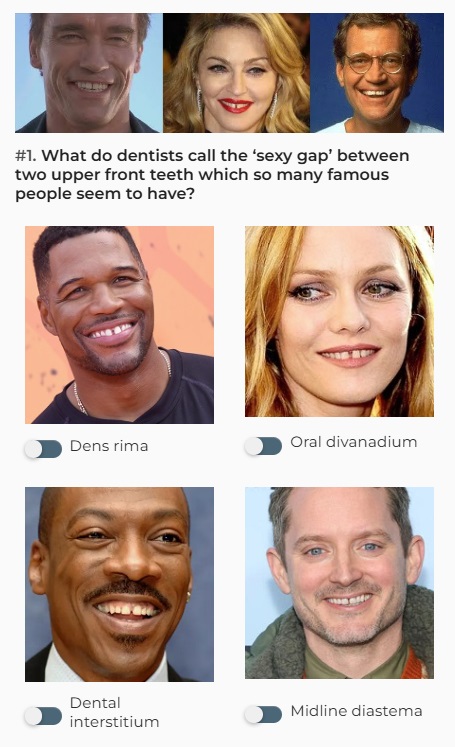
#8. What do dentists call the ‘sexy gap’ between two upper front teeth which so many famous people seem to have?
Midline diastema is what we call the gap between the two upper front teeth. It’s a common condition where a noticeable space exists due to factors like genetics, tooth-to-jaw size discrepancies, or a thick labial frenum. Diastemas can be closed with orthodontics, bonding, or veneers, or they can be embraced and proudly displayed in every smile.
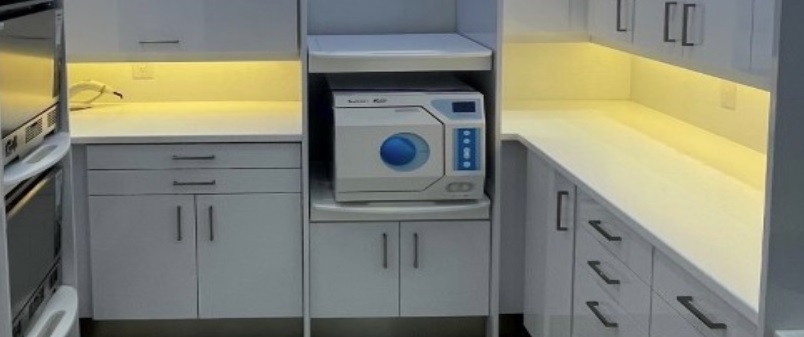
#9. How does the autoclave in our dental lab sterilize metal instruments between appointments?
Steam under pressure – our autoclave sterilizes instruments by using pressurized saturated steam to achieve high temperatures (125 Celsius) which denatures and coagulates microbial proteins, instantly destroying bacteria, viruses, fungi, and spores. The process involves removing air, heating the chamber, holding the temperature for a set time (usually 4–30 minutes), and drying.
Our autoclave ensures that all of our metal instruments are cleaned and sterilized before oral surgery and teeth cleaning appointments.
#10. How many primary teeth, or baby teeth do children typically have?
Children typically have a total of 20 primary teeth (also known as baby or milk teeth).
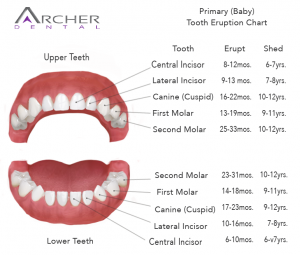
If you have infant children who are teething, you may find it helpful to know when primary teeth will erupt in their mouths. Baby teeth consists of 10 teeth on the top, and 10 on the bottom. You can read more on Archer Dental’s pediatric dentistry page.
Dental Quiz for Teachers and Students in Primary School
Archer Dental offers printable teaching resources to promote good oral health habits.
Download the quiz you see below as PDF here.
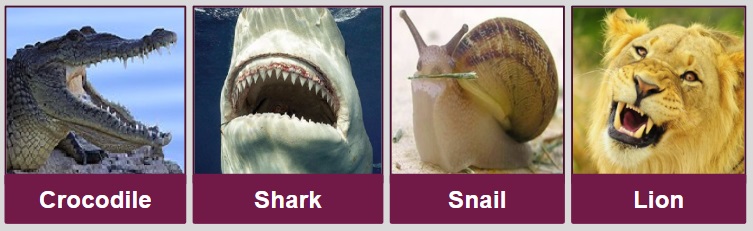
1. Which animal has the most teeth?
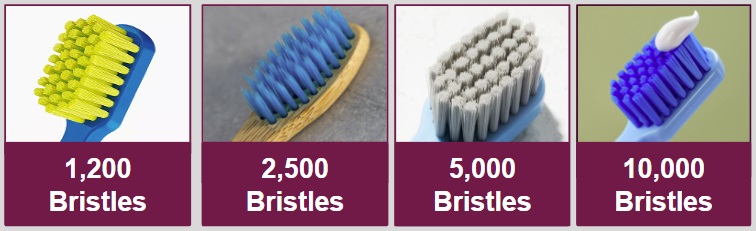
2. How many individual bristles are there in an average toothbrush?
3. Which of these common dental tools is most frequently used in jailbreaks?