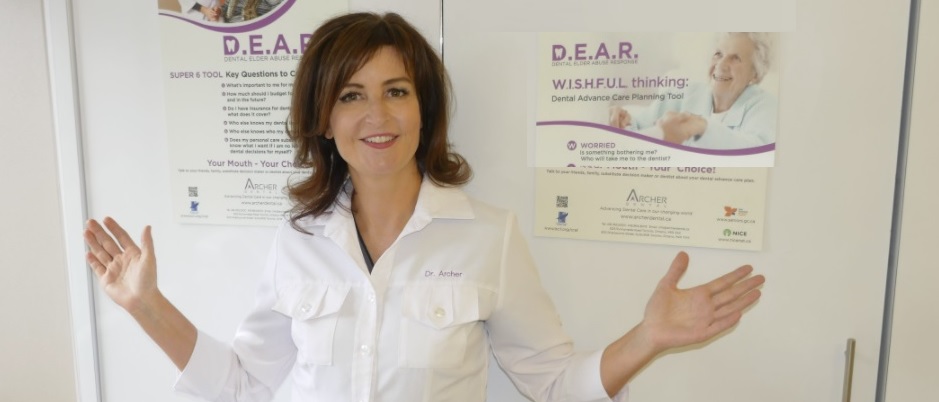
D.E.A.R. Program — Dental Elder Abuse Response
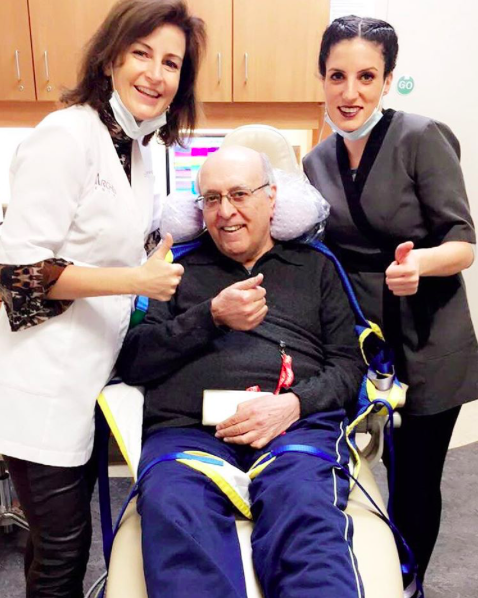
What is the D.E.A.R. Program?
D.E.A.R. (Dental Elder Abuse Response) Project is a specialized Canadian program aimed at identifying and preventing the abuse and neglect of older adults, specifically focusing on oral health and dental care. It is recognized as the first initiative of its kind in the world to connect dentists, caregivers, and seniors on issues of dental neglect.
D.E.A.R. addresses cases where individuals or systems fail to provide necessary dental care to seniors, which can lead to severe pain, illness, and even preventable death. Check the FAQs at the bottom of this page where any questions you may have will likely find answers.
Download the D.E.A.R. Toolkit.
Book a Senior Consultation
For Caregivers: Of all the choices you make in life, among the most important could be the choices you make about the people you care for, and the people you love. Also included are the decisions you make about your own future personal care. Download this PDF, a Guide to Advance Care Planning.
What is dental elder abuse?
Dental elder abuse refers to intentional or negligent actions by a caregiver or person in trust that result in oral injury, neglect, or pain in an older adult, such as broken teeth, untreated infections, or poor hygiene. It often includes withholding dental care, neglect of oral hygiene, or physical abuse, and is a serious issue that can lead to preventable illness and death. Dental elder abuse includes:
- untreated decay
- broken dentures
- untreated infection
- inability to chew
- pain ignored by caregivers
- financial refusal of needed treatment
- substitute decision-maker neglect
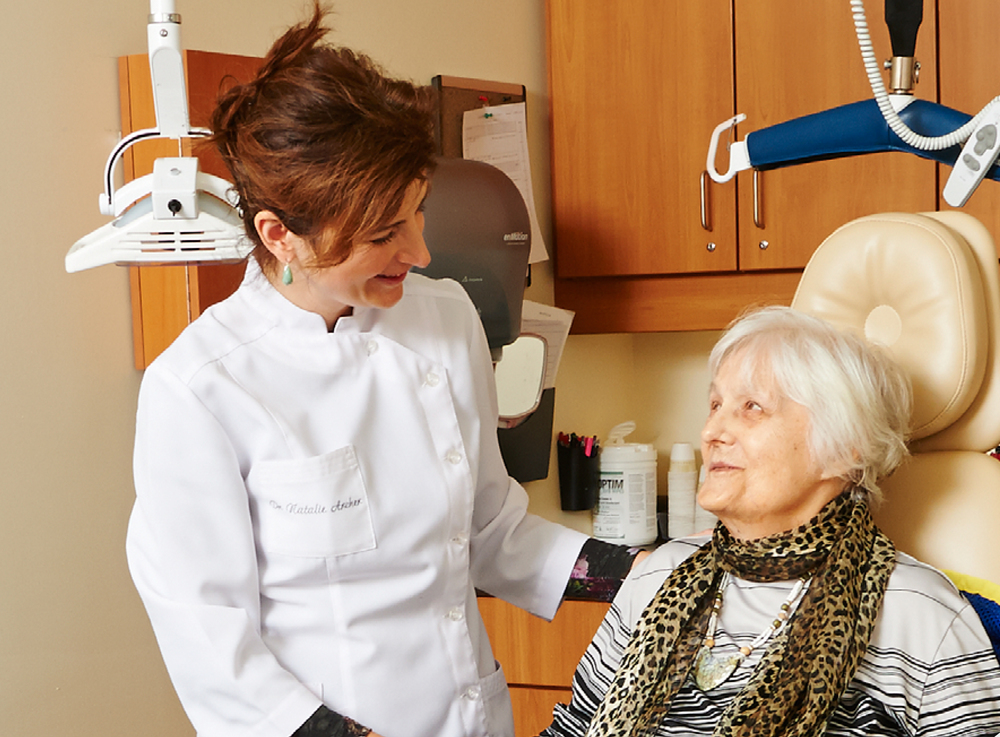
Why oral neglect is a health risk in older adults?
Poor oral health is a major risk factor for systemic disease and a reduced quality of life, extending far beyond tooth loss or cosmetic issues. When oral hygiene is neglected, harmful bacteria flourish, creating a persistent source of infection that can spread throughout the body, especially in elderly or hospitalized patients. This bacterial buildup increases the risk of pneumonia, malnutrition, chronic pain, and social withdrawal due to difficulties with eating, speaking, and appearance. Regular oral care and professional dental attention can significantly reduce these risks, lowering infection rates and preventable hospitalizations.
- pneumonia link
- nutrition decline
- pain
- social isolation
- preventable hospitalization
This short video introduces D.E.A.R.
D.E.A.R. stands for Dental Elder Abuse Response. D means Dental, which points to oral health care. E means Elder, which focuses on older adults. A means Abuse and R means Response, which together describe addressing and preventing dental elder abuse.
Canada’s first dental elder abuse awareness model
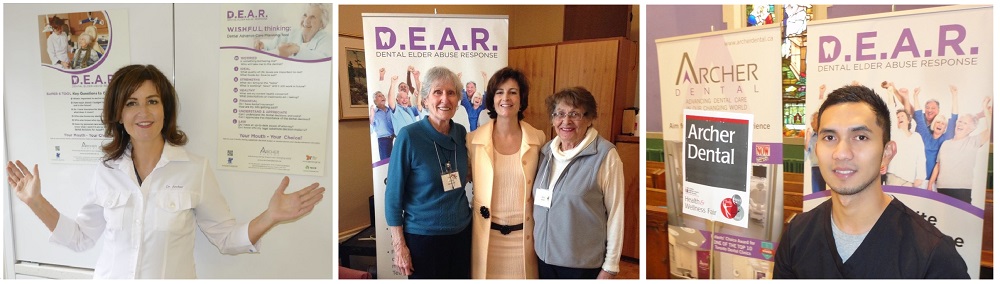
Archer Dental’s D.E.A.R. Project is a joint pilot initiative of Archer Dental, with the Canadian Centre for Elder Law (CCEL), and the National Initiative for the Care of the Elderly (Dental Theme Team). The project is funded through a small community-based grant from the New Horizons for Seniors Program (NHSP) – Employment and Social Development Canada (ESDC).
D.E.A.R. project materials link dentists, caregivers and older adults together on issues of abuse and neglect as recognized by the Canadian Centre for Elder Law. Working with dentists, hygienists, seniors, caregivers and community organizations, the D.E.A.R. Project is “Taking the Bite out of Elder Abuse”.
D.E.A.R. program resources includes senior peer-trained workshops, online videos, helpful brochures and checklists provide practical, evidence-based and expert hands-on material to recognize and prevent dental elder abuse and neglect. These materials also help start the conversation about advance care planning related to dental issues.
How families and caregivers use D.E.A.R
Families and caregivers use D.E.A.R. to recognize signs of dental elder abuse and neglect. They use it to start conversations about oral health, support advance care planning, and make practical plans for future dental care. The program gives them brochures, videos, checklists, and workshop materials to guide those conversations. It also helps them work with dentists to protect older adults’ comfort, nutrition, and quality of life.
Recognize warning signs: Unexplained injuries like bruises, burns, fractures, and or sudden changes in behavior like fear or withdrawal, poor hygiene, malnutrition, or uncharacteristic financial transactions.
Prevent neglect: Preventing dental neglect in older adults is a critical component of preventing elder abuse, as neglected oral health can lead to infection, pain, malnutrition, and a diminished quality of life
Plan future dental care: Have conversations about dental wishes before an older adult can no longer make decisions clearly. Caregivers gain practical tools like workshops, brochures, checklists, and videos.
Protect financial decisions: Protect an elderly patient’s financial decisions by encouraging early conversations about dental costs, consent, and who is allowed to make decisions.
When should a caregiver seek dental help for a senior?
A caregiver should seek dental help for a senior any time they are,
- in obvious pain,
- have swelling,
- bleeding gums,
- broken teeth,
- broken or poor fitting dentures,
- difficulty chewing,
- sores that do not heal.
Dental help is also needed if the senior has ongoing dry mouth, bad breath, loose teeth, or changes in behavior (like refusing to eat) that might signal mouth pain, especially in those with dementia who may not be able to explain the problem. Even without obvious symptoms, seniors should see a dentist at least once a year (often every six months) for checkups and cleaning, because they are at higher risk for decay, gum disease, and oral cancer.

Read coverage in NYCEAC anecdote about Miss Jones and her daughter Susan and the entirely preventable outcome that helped inspire the D.E.A.R. Program.
Signs of Possible Dental Neglect in Seniors
Caregivers and dentists can reference this checklist,
✔ Broken teeth untreated
✔ Pain during eating
✔ Bad breath
✔ Weight loss
✔ Avoiding speech
✔ Refusal of needed treatment
✔ Missing dentures
✔ Repeated infection
Dental Advance Care Planning for Older Adults
Dental advance care planning helps older adults express their oral health wishes before they become unable to decide for themselves. It identifies who should speak for them, what treatments they want, and how they want dental care handled over time. It also helps families and caregivers work with the dental team so future decisions match the person’s values and comfort.
The Advanced Oral Health care package includes, :
- The Patient’s future dental wishes
- Pinpoint the caregiver who will make these decisions
- Review patient finances
- Lock-in dental treatment preferences
- Review comfort priorities and record preferences
- Create a message for the future.
Download this PDF, a Guide to Advance Care Planning.
Print materials
Download our free D.E.A.R. brochure to learn more about what we do!
D.E.A.R BrochureDownload the guide produced by the Ontario Seniors Secretariat for further information on creating an advance care plan.
Advance Care PlannerDownload the WISHFUL Thinking Workbook to help you start thinking about your wishes and values for future dental care and making a dental advance care plan.
Wishful Thinking WorkbookDownload the WISHFUL Thinking Tool Poster to encourage others to think about their wishes and values for their dental care now and in the future and in order to be more prepared to create a dental advance care plan.
Wishful Thinking Tool PosterDownload this postcard to consider 6 key questions about your dental care and record your important dental information.
Super 6 Tool PostcardDownload the Super 6 Tool Poster to encourage others to think about 6 key questions relating to their dental care and learn more about D.E.A.R.
Super 6 Tool PosterWhy Archer Dental Created D.E.A.R
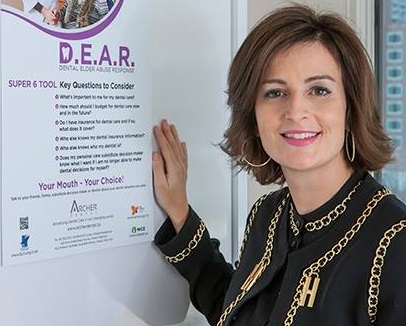
Archer Dental’s D.E.A.R. Program was created by our founder, Dr. Natalie Archer to help the patients she was seeing, and thousands more across our nation. Natalie knew where to start, because of her long-standing geriatric dentistry work and her firsthand experience visiting remote communities in Northern Ontario. Her Toronto senior care experience showed how often older adults need better support, especially when oral neglect is tied to broader health and safety concerns. The program reflects Archer Dental’s interdisciplinary philosophy by bringing together dentists, caregivers, lawyers, and community partners around one shared issue. It also focuses on caregiver education so families can recognize abuse, plan ahead, and protect older adults’ dental health. As a Toronto-based initiative, D.E.A.R. reinforces Archer Dental’s authority in senior dentistry and its leadership on elder oral health.
FAQ – Frequently Asked Questions About the D.E.A.R. Program
Is poor oral health considered elder neglect?
Yes, poor oral health can be a sign of elder neglect when a caregiver is responsible for meeting the older person’s basic care needs and fails to do so. Dental literature describes neglect as including poor oral hygiene, untreated caries, and excessive plaque in dependent older adults. It is not proof of neglect by itself, but it is an important red flag that should prompt a closer look at the person’s care, comfort, and access to dental support.
Can caregivers make dental decisions?
Yes, but only if the patient is unable to make the decision for themselves and the caregiver is the legally authorized substitute decision-maker. In Ontario, consent for dental treatment must come from the capable patient or, if they are incapable, from the person identified by the legal SDM hierarchy. Caregivers can help explain wishes, gather information, and support the process, but they do not automatically have the right to decide.
How does oral infection affect seniors?
Oral infection can make seniors more vulnerable to pain, chewing problems, and poor nutrition, which can weaken overall health. It can also increase the risk of respiratory infection, including pneumonia, because mouth bacteria can be inhaled into the lungs. In frail older adults, untreated oral disease may worsen inflammation, reduce appetite, and contribute to frailty or hospitalization.
What if an older adult refuses care?
If the older adult is capable, their refusal must be respected even if a caregiver disagrees. If they are incapable, the legally authorized substitute decision-maker can refuse care, but that decision must follow the person’s known wishes or best interests under Ontario law. In a dental setting, the team should document the refusal, assess capacity, and review whether the issue is urgent or an emergency.
Can untreated dental disease cause hospitalization?
Yes. Untreated dental disease can contribute to serious complications in older adults, including life-threatening respiratory infections, delirium, and systemic decline. Poor oral health can also worsen pain, swallowing problems, and nutrition, which may lead to hospitalization or make recovery harder
Is D.E.A.R unique to Canada?
No. Archer Dental’s D.E.A.R. initiative is not unique to Canada in the sense that it can’t be replicated elsewhere, but it was created as a Canadian first-of-its-kind project. Archer Dental and its partners describe it as “the first materials in Canada” linking dentists, caregivers, and older adults on abuse and neglect, and the project was designed to be replicable across other clinics in Canada. In other words, the initiative is Canadian in origin and branding, but its model was meant to be shared more broadly.
Protect Oral Health in Later Life
Archer Dental’s D.E.A.R. program protects oral health in later life by teaching older adults, caregivers, and clinicians how to recognize dental elder abuse and neglect before it causes pain, infection, or preventable decline. It also promotes dental advance care planning, so seniors can record their wishes about treatment, costs, and future decision-making while they are still able to do so. The program uses workshops, brochures, videos, and checklists to make oral care more practical and consistent in daily life. By connecting dentistry with caregivers and community partners, it helps reduce untreated disease and supports healthier aging in Toronto and beyond.